The New Museum of Ceramics in Bolesławiec
Zgorzelecka 2859-700 Bolesławiec
check_circle In a room
check_circle Easy maneuvering with a stroller
Bolesławiec is a city famous for, and immediately associated with, ceramics. It is hard to walk its streets without coming across the characteristic dots, peacock-eye motifs and floral patterns. Ceramic souvenirs leave here for homes all over Poland. However, to truly understand where the fame of Bolesławiec pottery comes from, it is worth hearing this story from the very beginning.
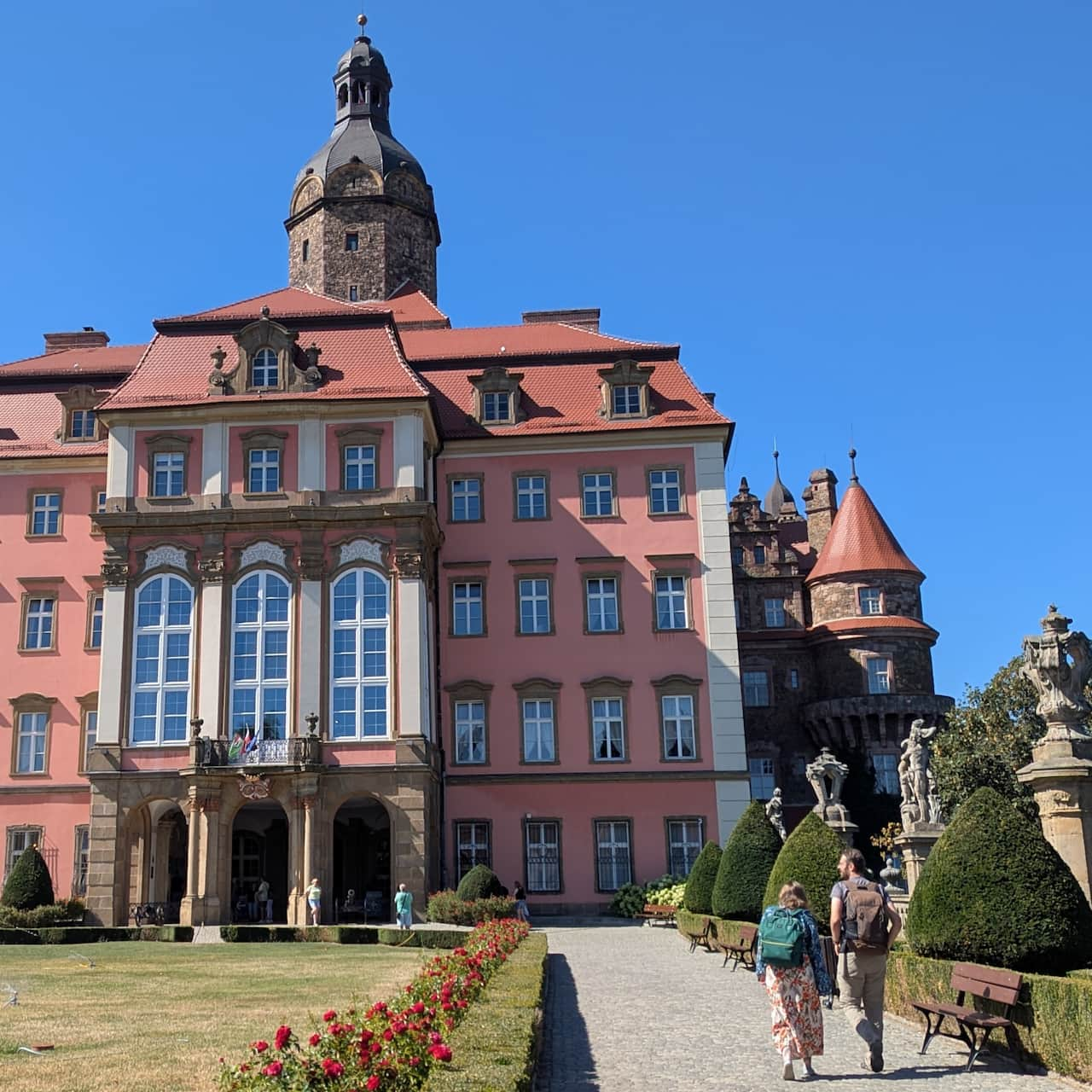
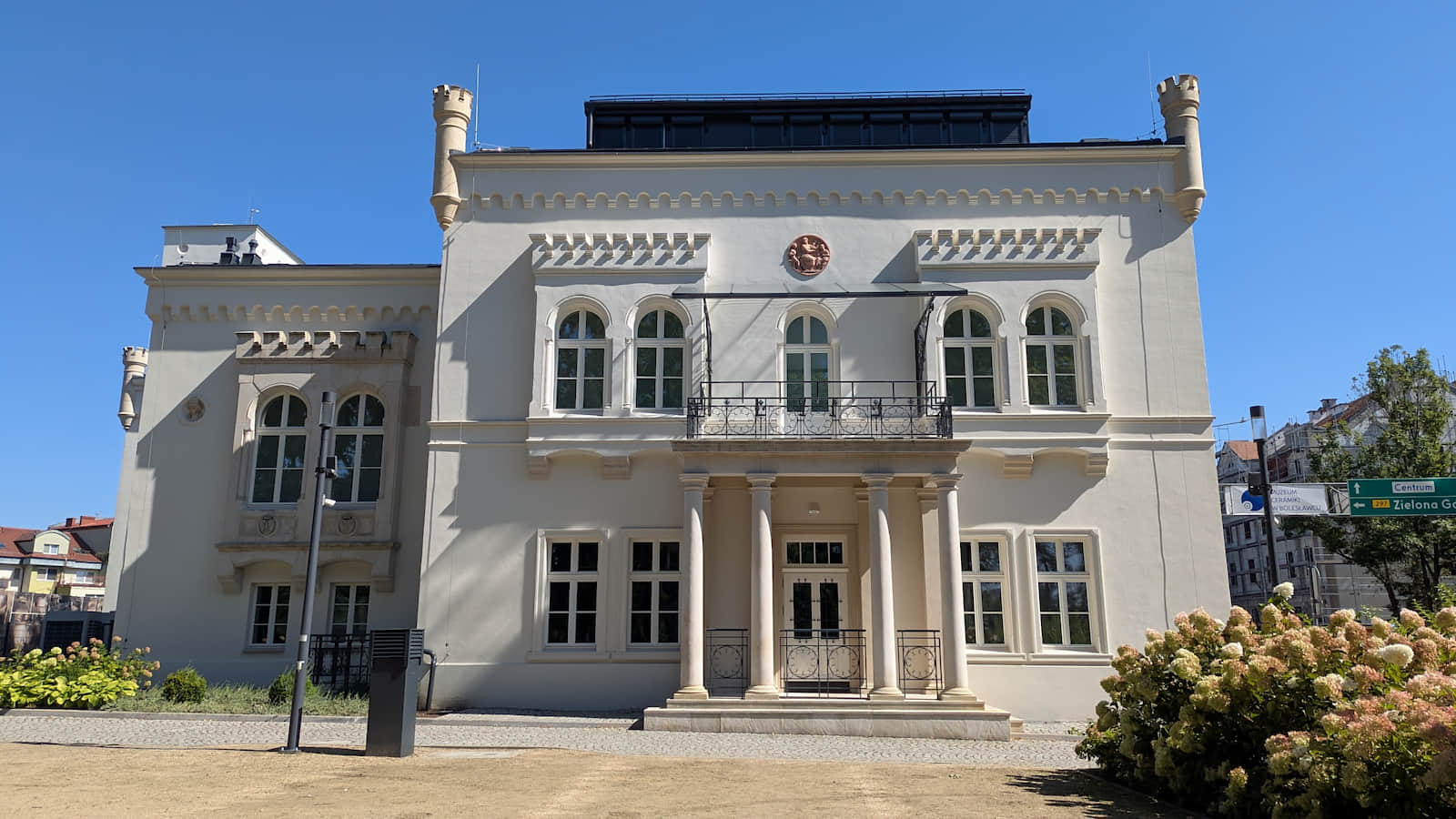
The museum’s new home in the Pückler Palace tells two stories at once: the history of Bolesławiec and the development of local pottery and ceramics. Visitors can look forward to a modern display arrangement, with engaging multimedia attractions prepared for the youngest guests.
Museum of Ceramics – visiting with children: what should you look out for?
If you are planning to visit the museum with children, bear in mind that you will pass through around 19 rooms – quite a lot for a child’s attention span. It is worth choosing a few interesting “focal points”:
- The oldest object – a 13th-century watering can
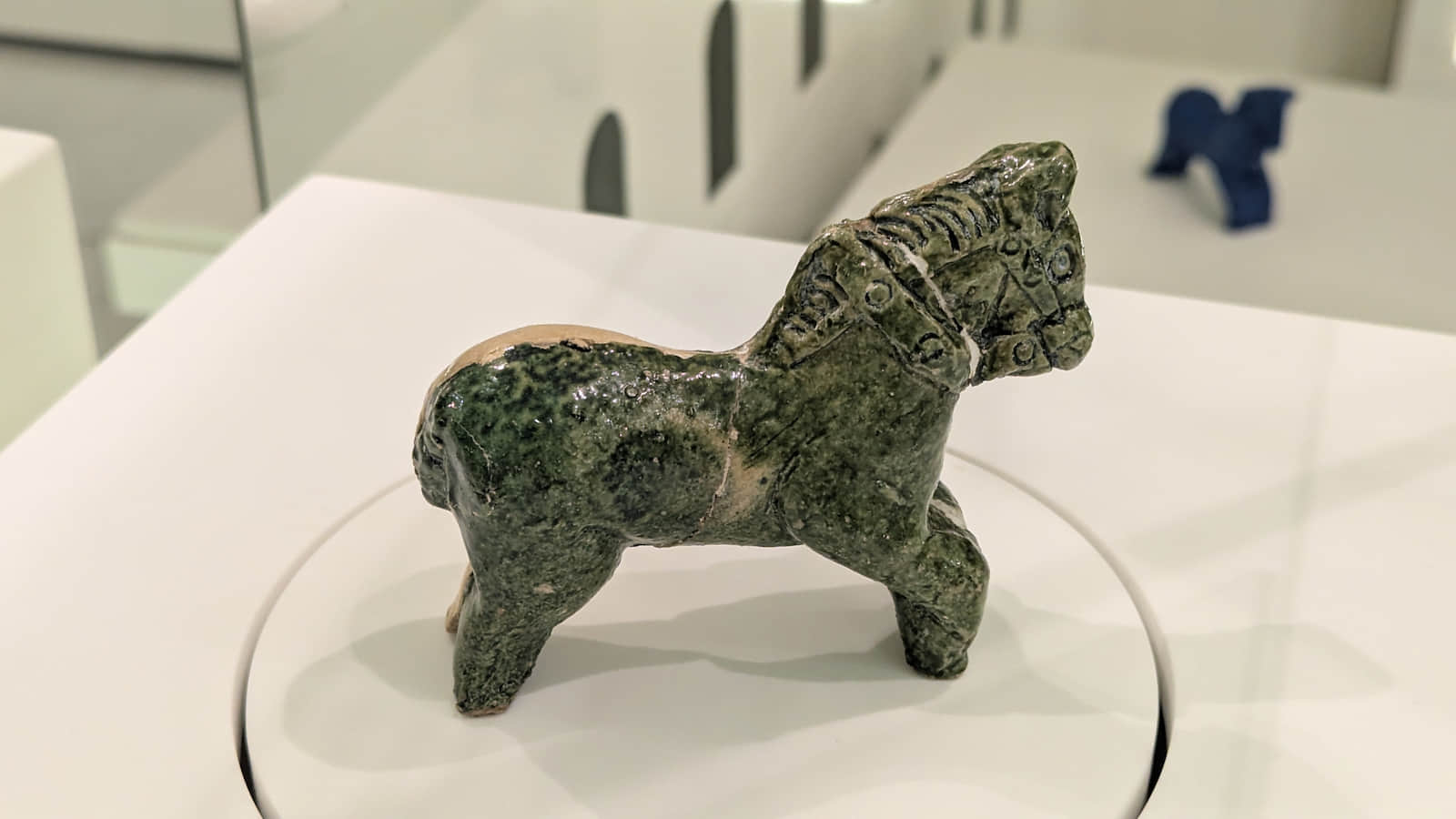
- The most unusual – a ceramic horse
- The largest object – the Great Pot
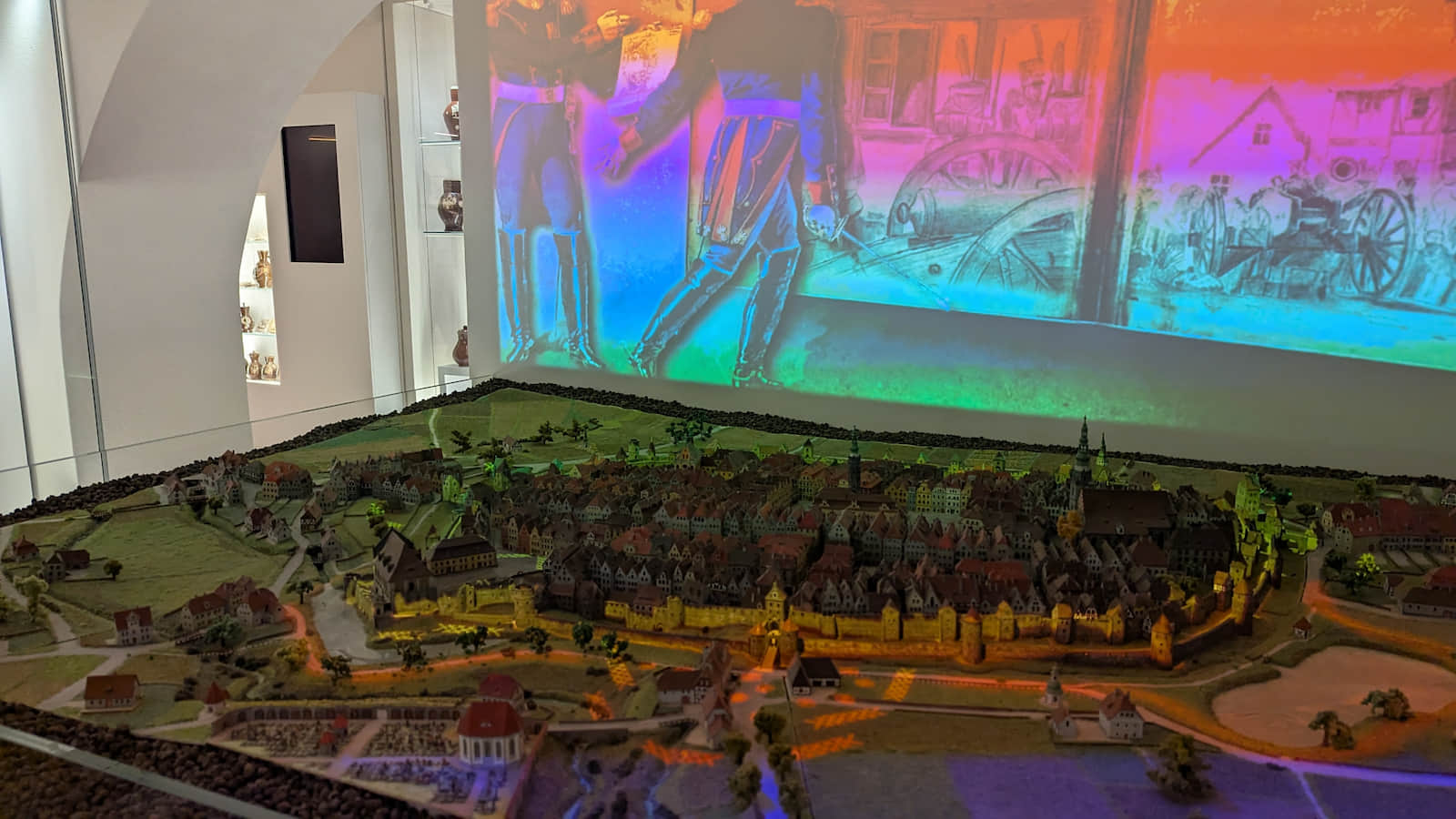
- The most war-related – a uniform from the Napoleonic era and a model of the city
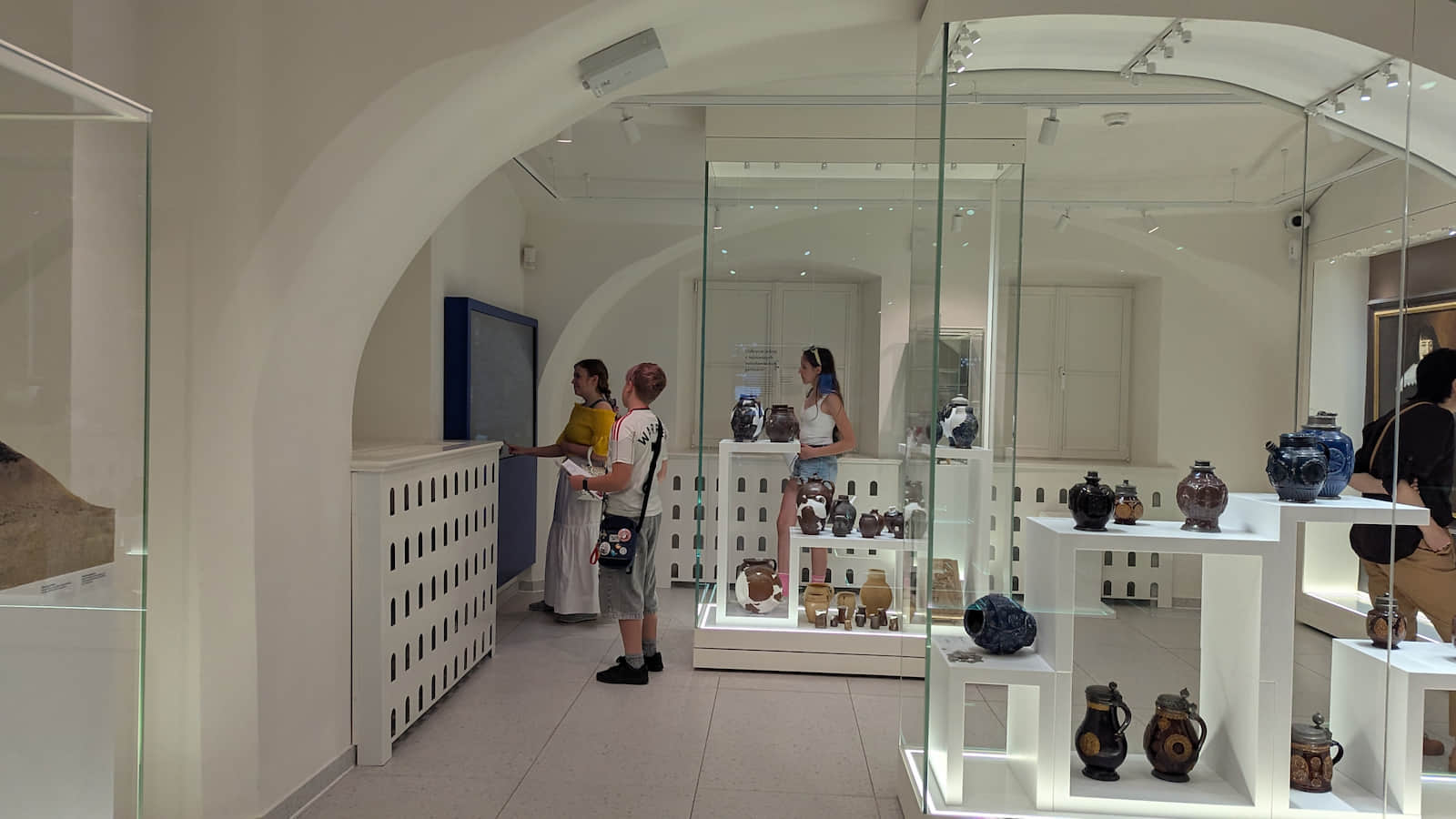
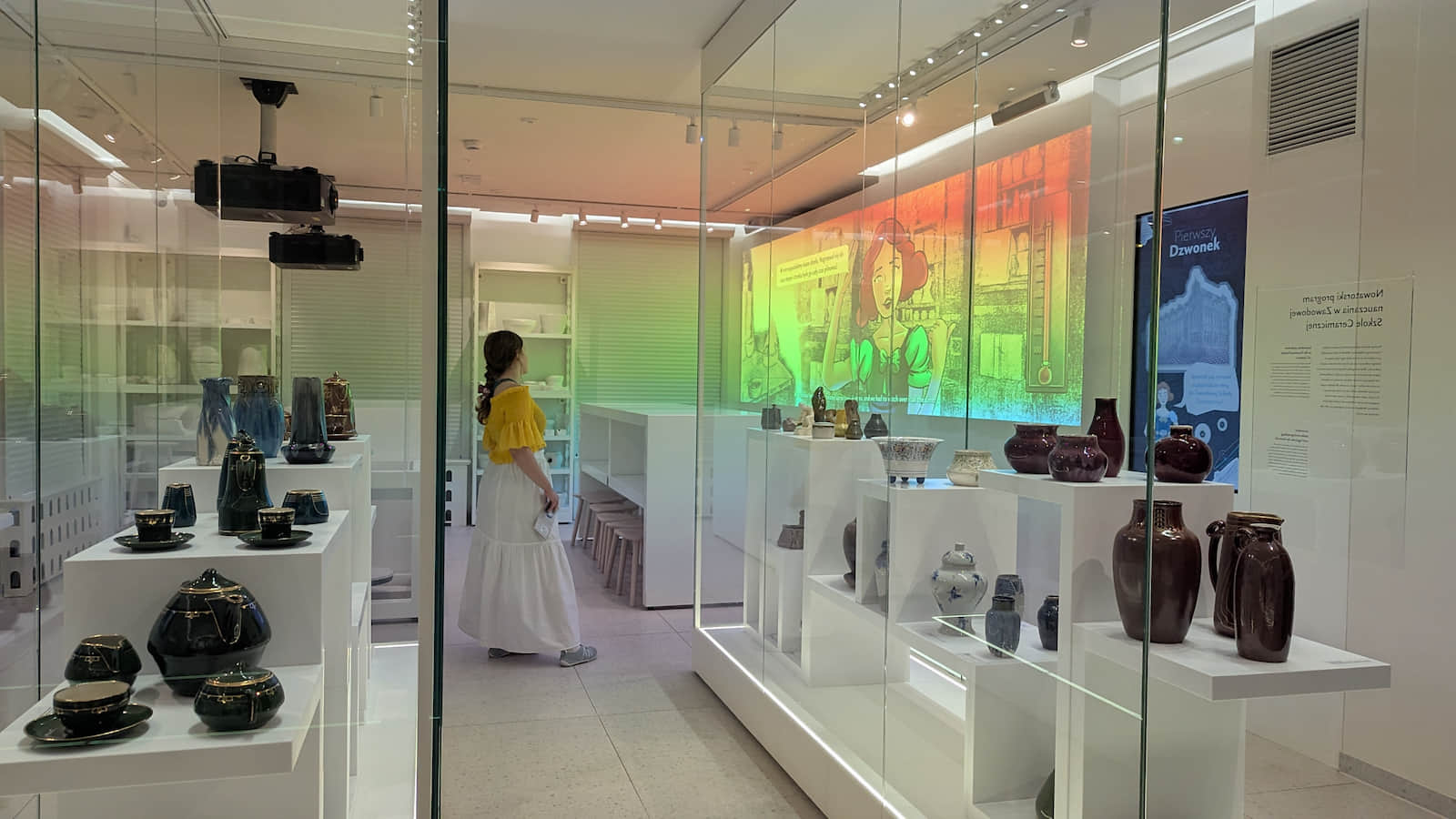
The exhibition is complemented by additional multimedia features, also aimed at children. We particularly liked the animated story about the Vocational Ceramic School in Bolesławiec and the “Is This an Old Medicine?” quiz in the pharmacy room.
The history of Bolesławiec begins long before the famous stamps
A visit to the museum makes it possible to see Bolesławiec from a broader perspective than ceramics alone. The City History Department’s collections include archaeological artefacts, militaria, items connected with interior furnishings, photographs and mementoes documenting successive periods in the city’s history.
The exhibits include objects from both archaeological research and later periods. They offer a glimpse of what life was like for the region’s residents and how the city changed over the centuries.
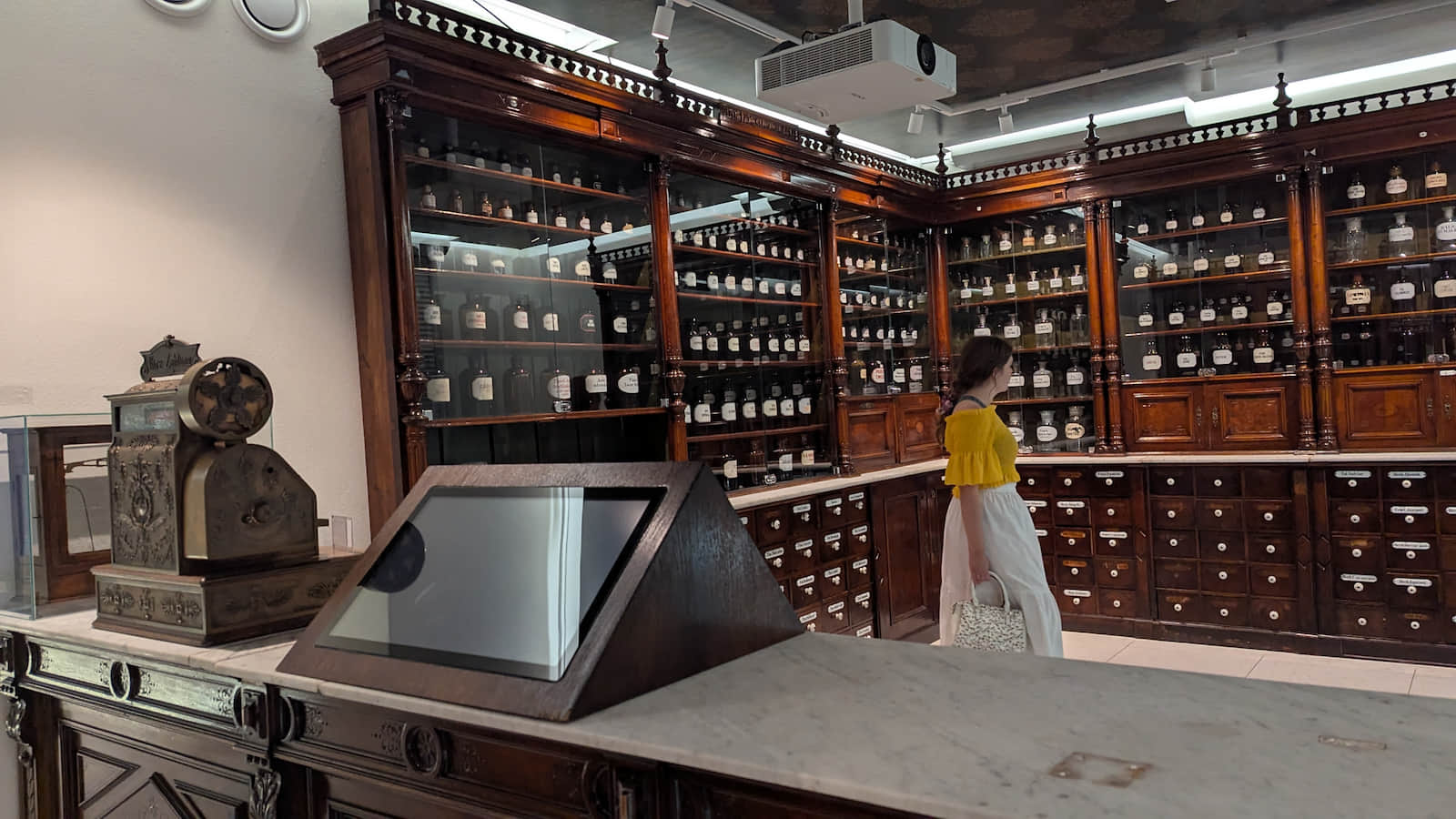
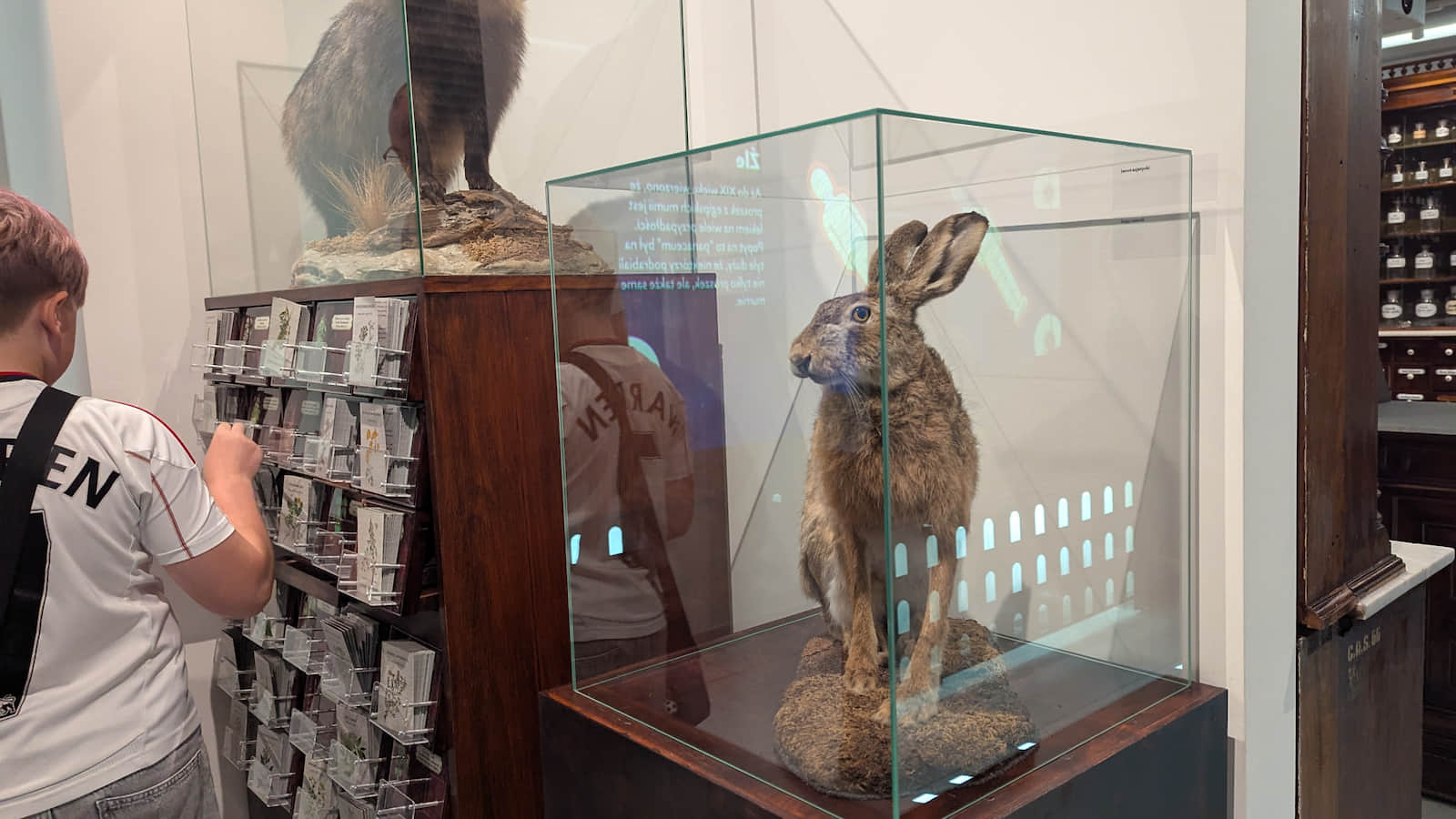
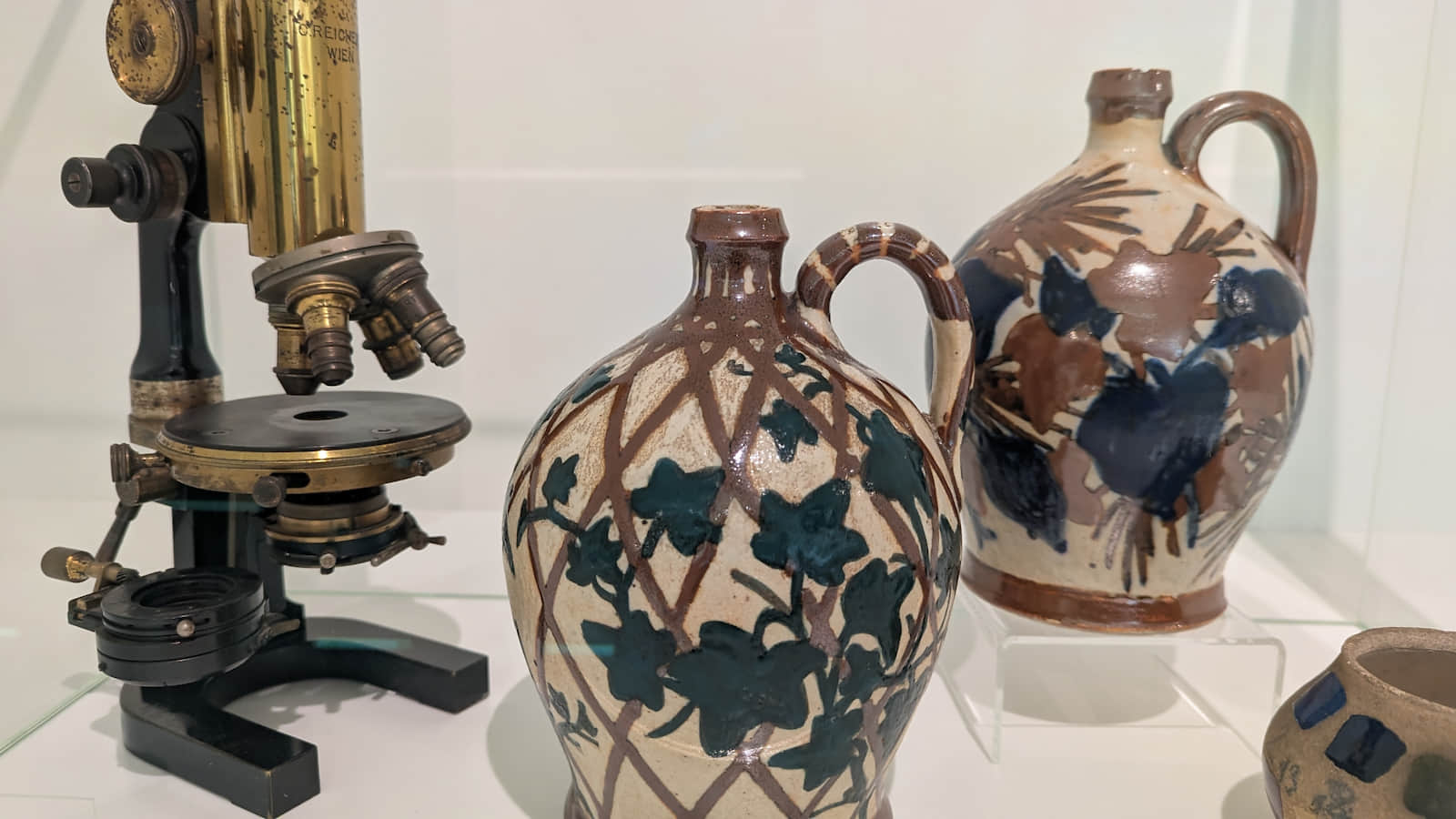
Objects connected with everyday life in the past make an interesting addition. The museum has, among other things, almost the complete furnishings of a pharmacy from the late 19th century. This is one of those exhibits worth pausing over, as it allows you to imagine what the interior of an old pharmacy looked like and what a pharmacist’s work was like more than a century ago.
For children, this may be one of the exhibition’s most interesting sections. Rather than another display case of documents, there are objects that can easily be compared with the present day – for example, what medicines looked like and what they were made from.
Ceramics more than 700 years old
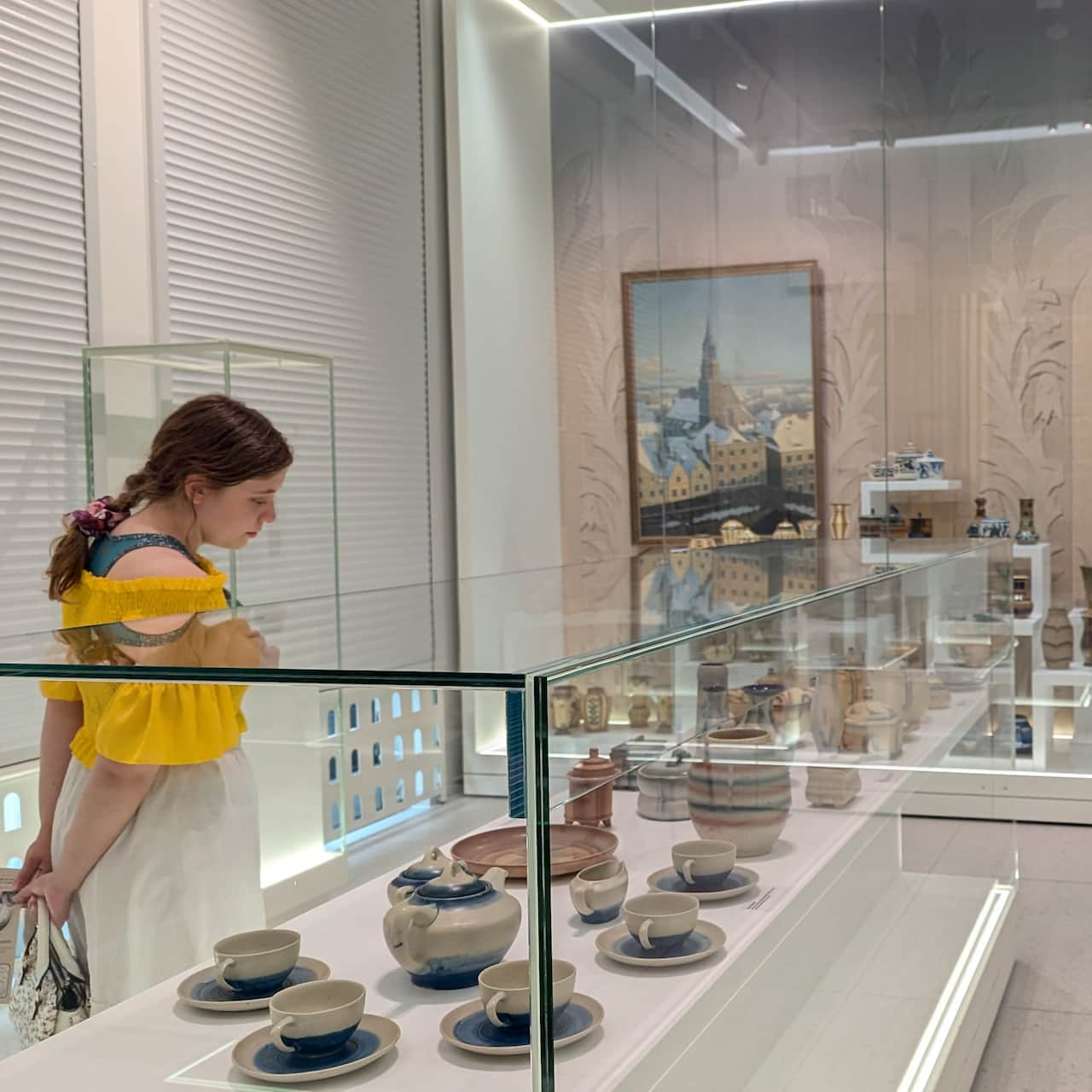
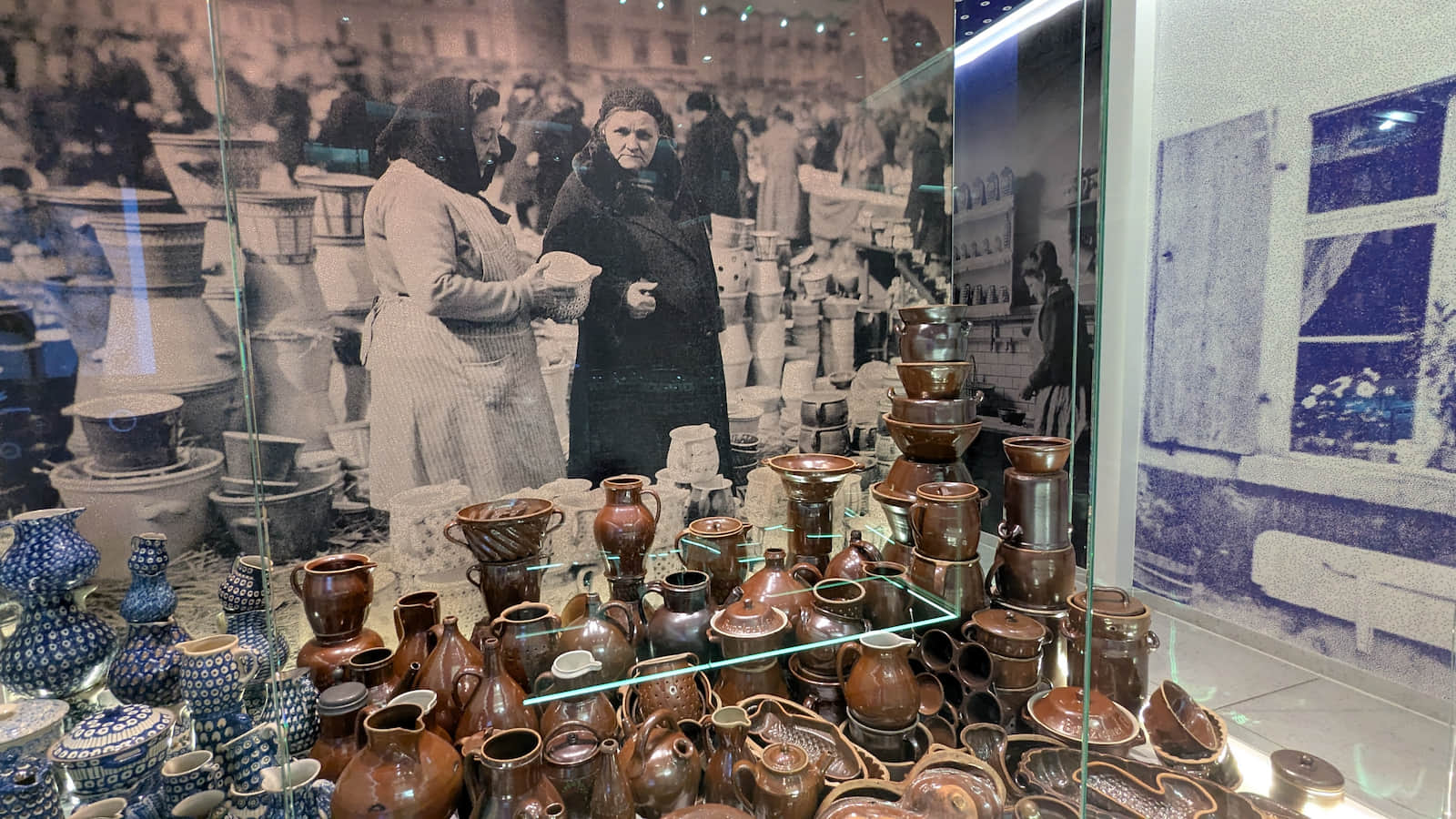
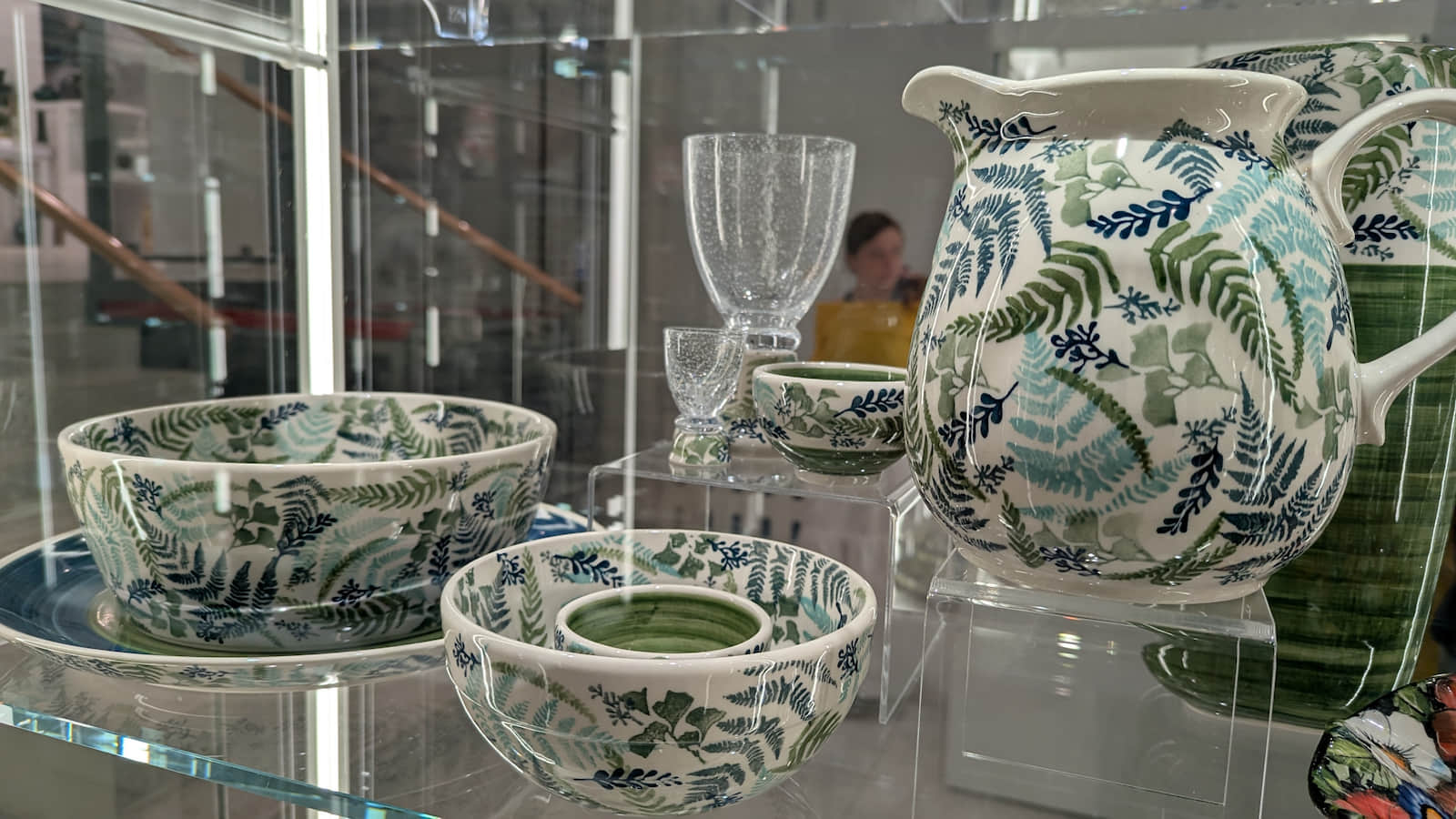
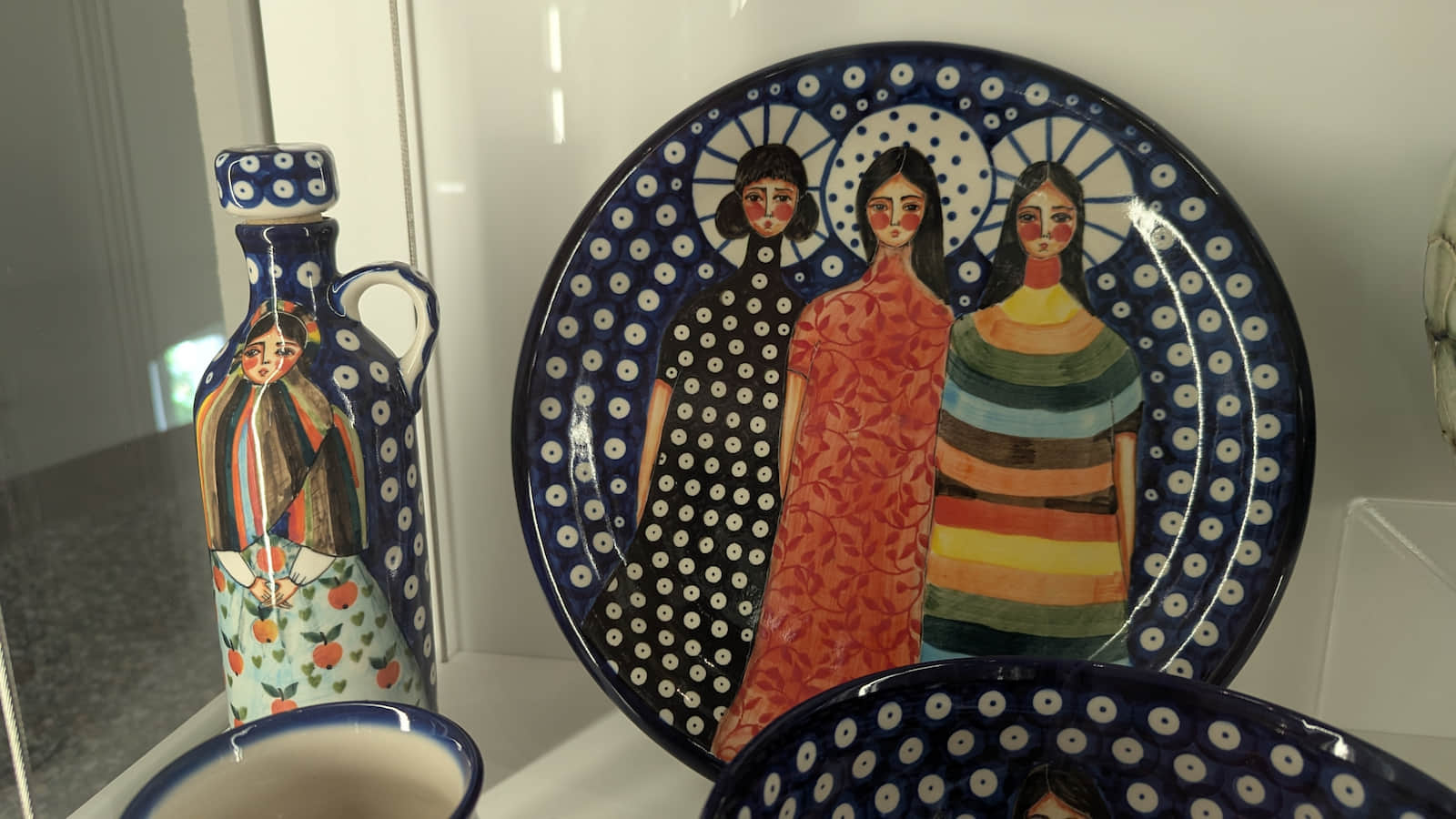
Ceramics are one of the city’s most important elements of identity. At the museum, you can trace the development of local pottery and ceramics. The exhibits include objects that show what production used to look like, as well as examples of later designs. The juxtaposition of historic products with contemporary creations is particularly interesting.
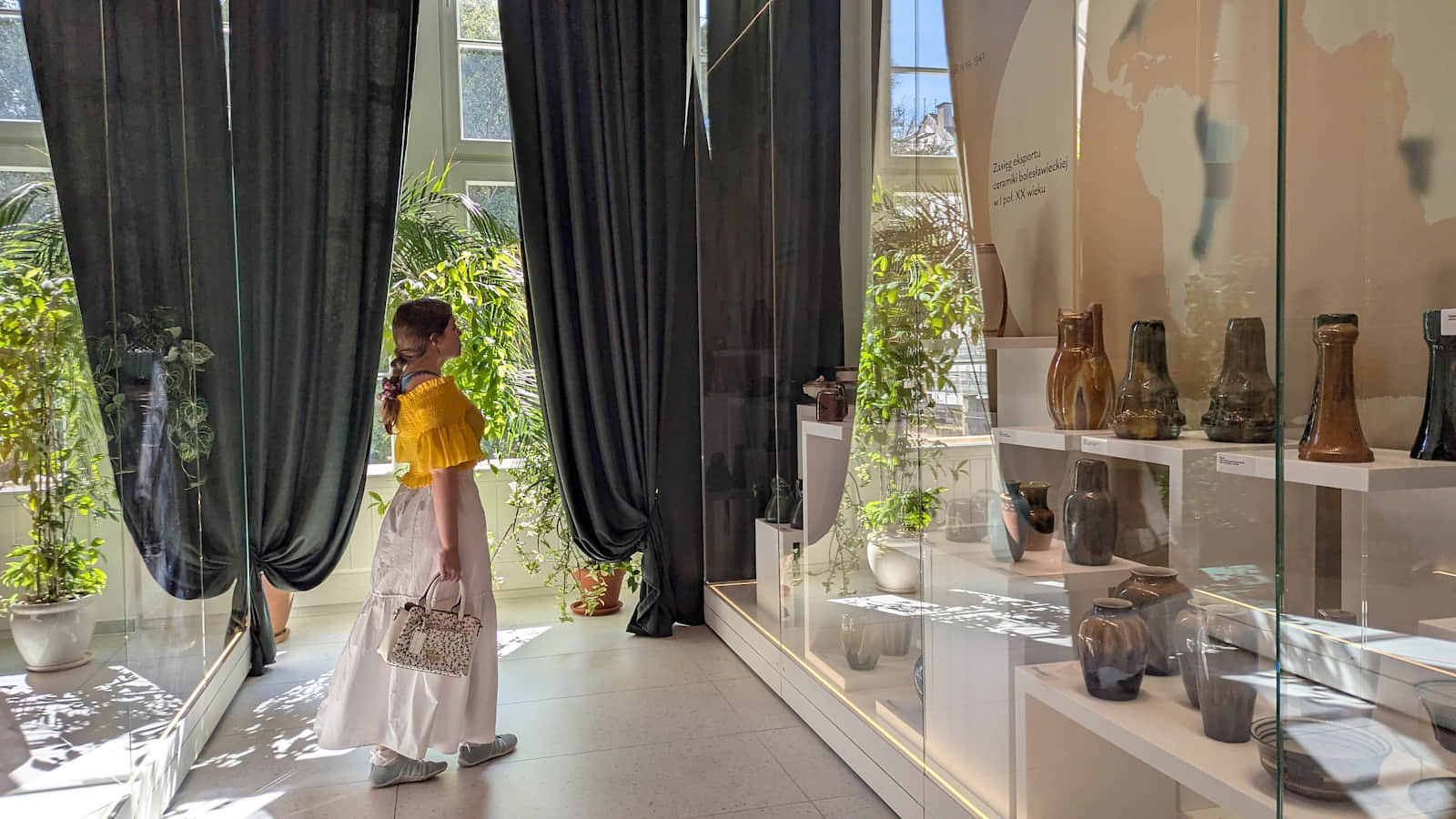
One of the museum’s most fascinating sections shows just how long Bolesławiec’s pottery tradition is. The oldest mention of a Bolesławiec potter dates from 1380, and sources from the 15th century already mention five potteries operating in the city.
The exhibition features the oldest examples of local ceramics, including a watering can from the second half of the 13th century, discovered during archaeological excavations in Bolesławiec’s Market Square. Exhibits like these clearly show that the ceramics famous today did not appear overnight. Their story began many centuries ago.
Historic jugs, bottles and… a ceramic horse
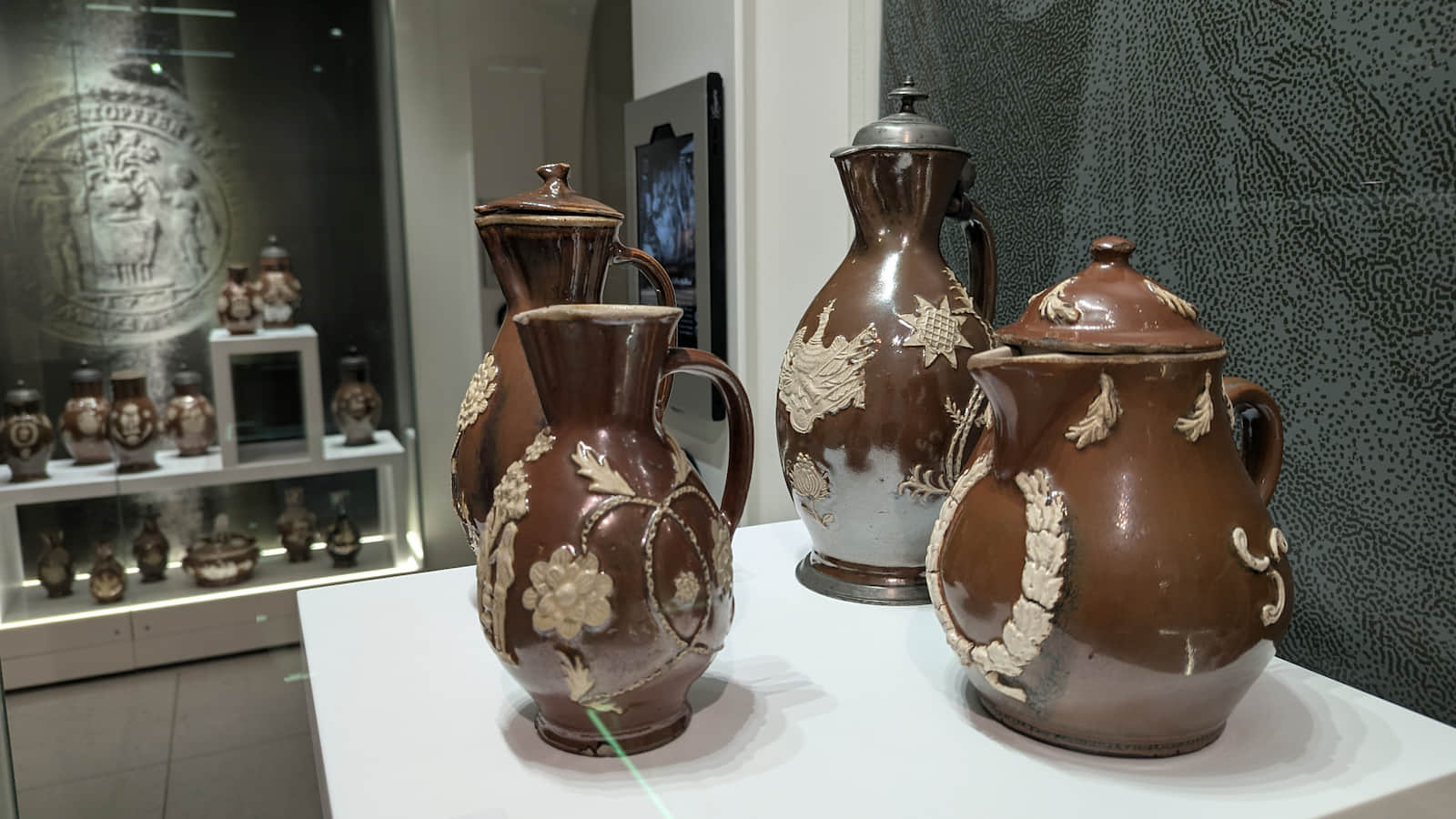
One of the more enjoyable aspects of a visit is taking a closer look at the historic forms of the vessels.
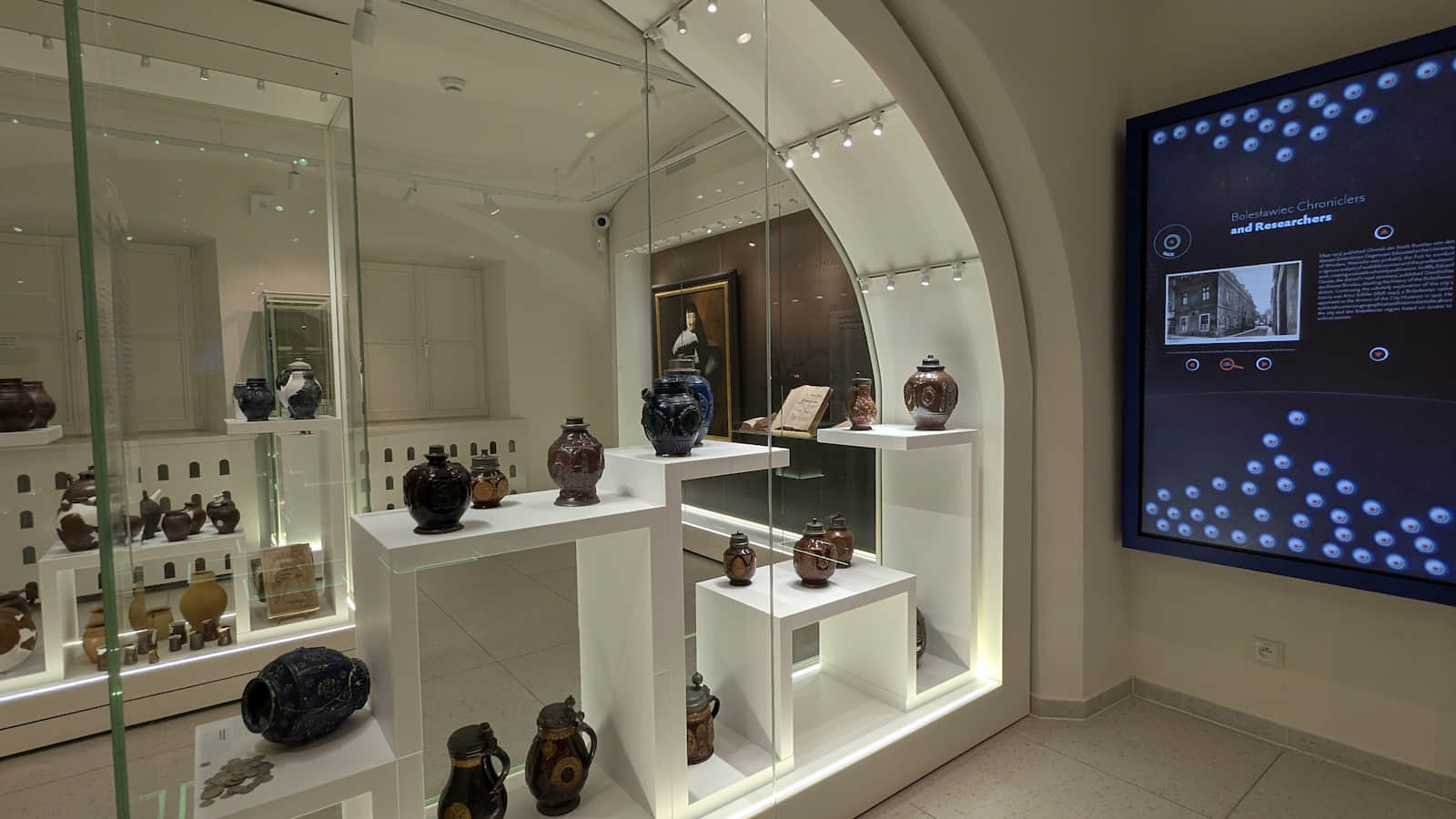
At the museum, you will see, among other things, richly decorated jugs covered in cobalt glaze, brown vessels embellished with roulette decoration, bottles, pharmacy vessels and ceramic toys.
Among them is a unique ceramic horse – an old ceramic toy?
The school that transformed Bolesławiec ceramics
The Vocational Ceramic School, founded in 1897 at the initiative of the city authorities, holds a special place in the history of Bolesławiec ceramics. Its task was not only to train future potters, but above all to modernise the entire local industry. Students gained both artistic and technical knowledge: they learned drawing, modelling, chemistry, ceramic technology and workshop practice. Interestingly, the school was among the European vocational schools that began educating girls relatively early.
Children learn about the school from an animated character representing one of its female students, while the exhibition features products created under the influence of the students’ work.
Napoleon in Bolesławiec – a city on the trail of war
In the museum section devoted to the Napoleonic Wars, we learn not only about Napoleon Bonaparte himself, but also other important figures of the period: Russian Field Marshal Mikhail Kutuzov, Tsar Alexander I and Prussian General Gebhard Leberecht von Blücher. Kutuzov’s own story is particularly interesting. During the 1813 campaign, he stayed in a building on what is now Kutuzowa Street, where he died of typhus on 28 April.
Museum of Ceramics – from a clay watering can to a contemporary mug
The museum’s greatest value lies in discovering the region’s local history: from the earliest traces of pottery, through medieval and early modern vessels, to the great achievements of 19th-century potters. As a result, the museum presents something more than the history of objects. So even if ceramics themselves are not the main aim of your trip around Lower Silesia, it is certainly worth stopping by.

Publish Date:
More in the Region Dolnośląskie (Lower Silesian Voivodeship)