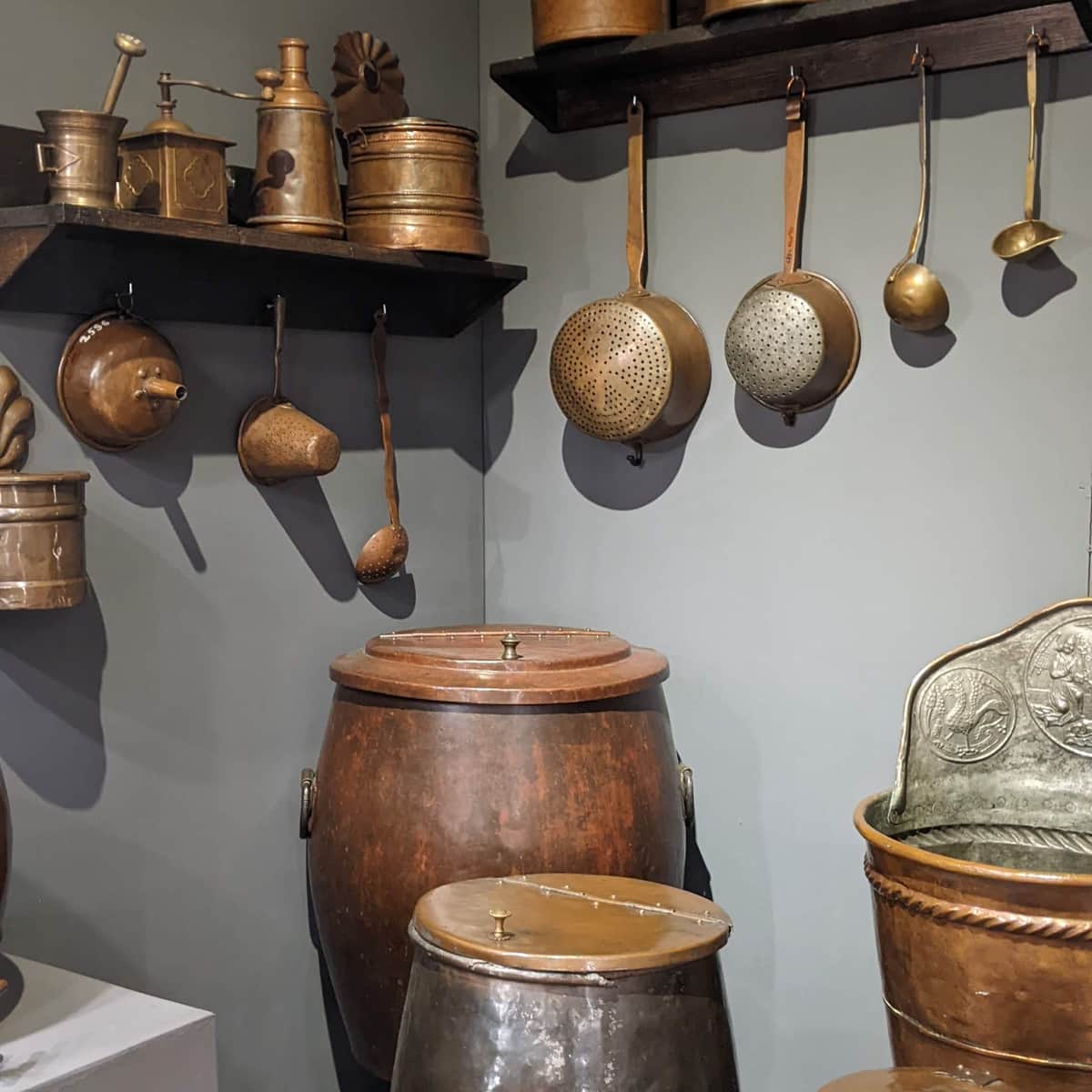
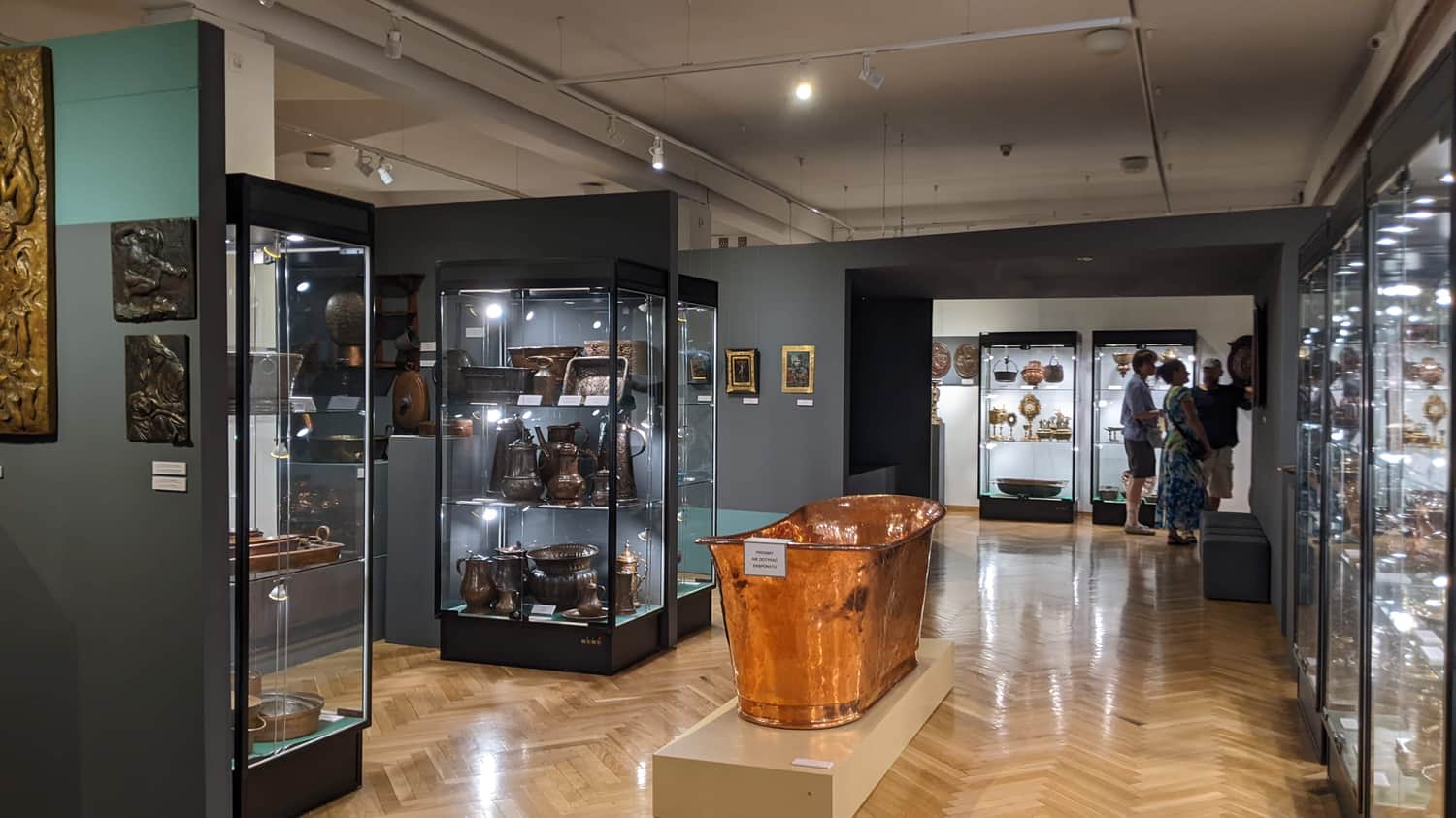
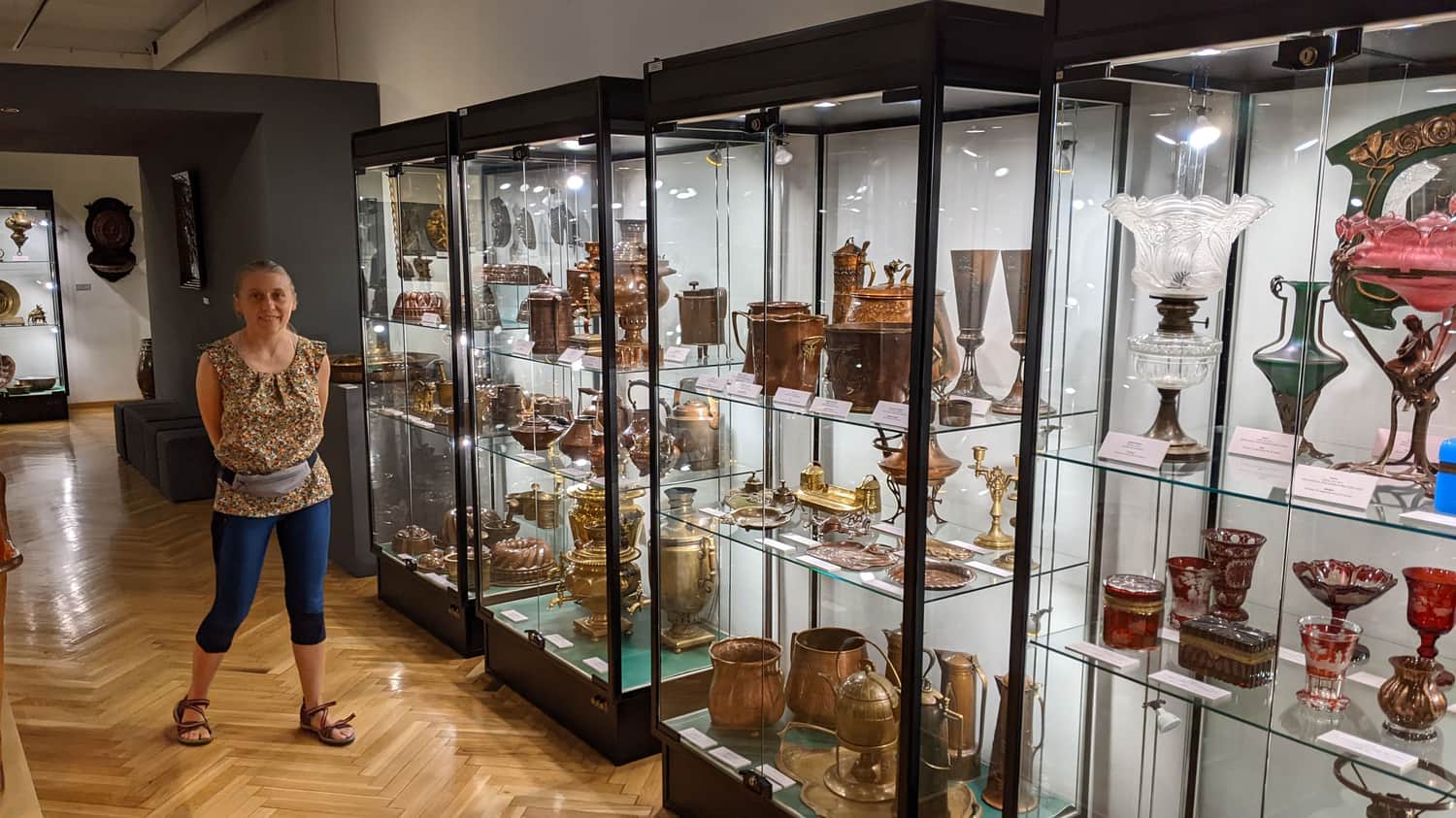
The Copper Museum in Legnica is one of only a few specialised institutions in the world that preserve artefacts related to the mining and processing of copper, as well as copper minerals from around the globe. At the museum, visitors can see, among other things, technological artefacts related to copper mining and metallurgy, historical and contemporary sculptures, artistic and utilitarian objects made of copper and its alloys, as well as historical and contemporary copper engravings.

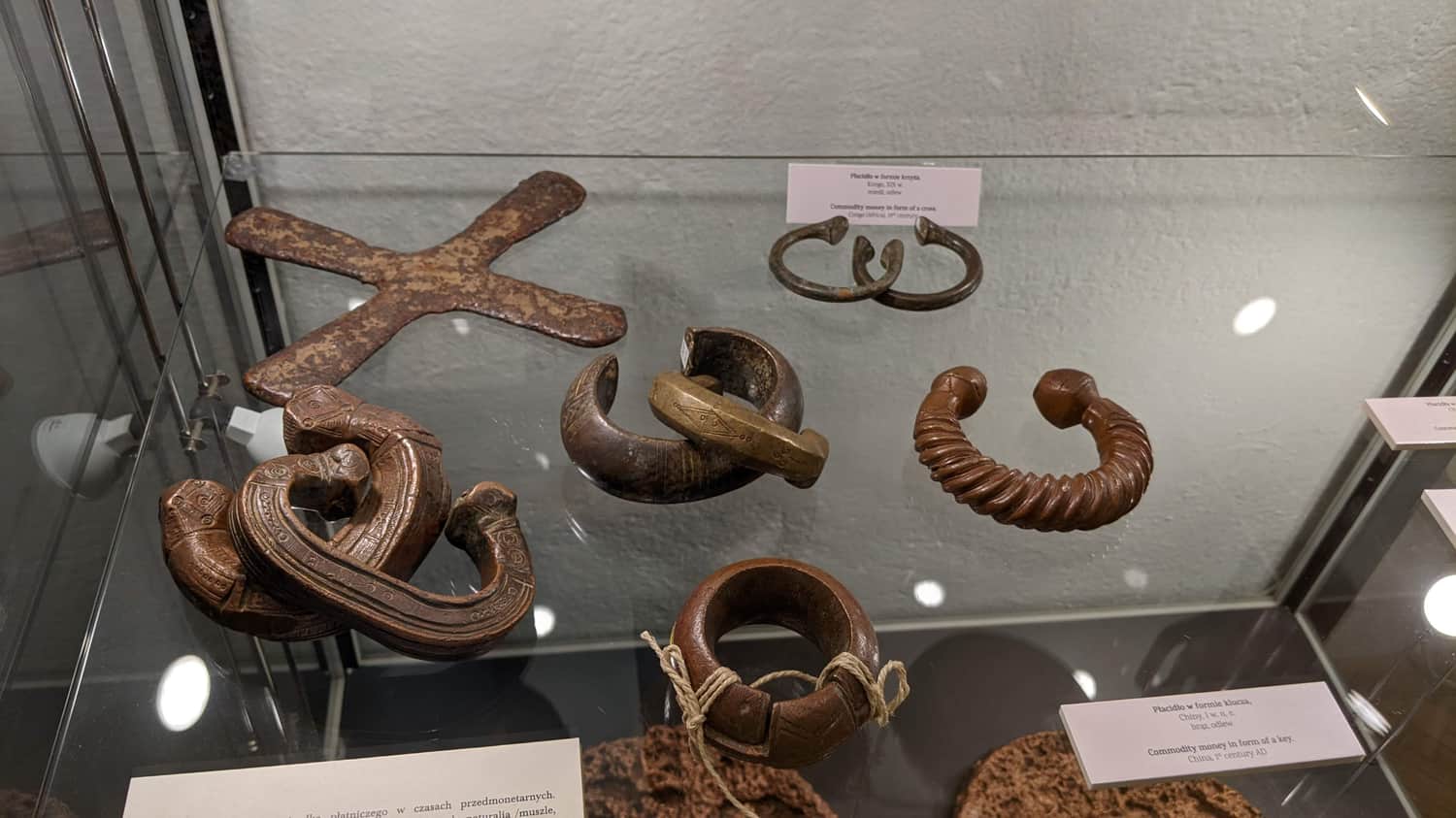
Former means of payment
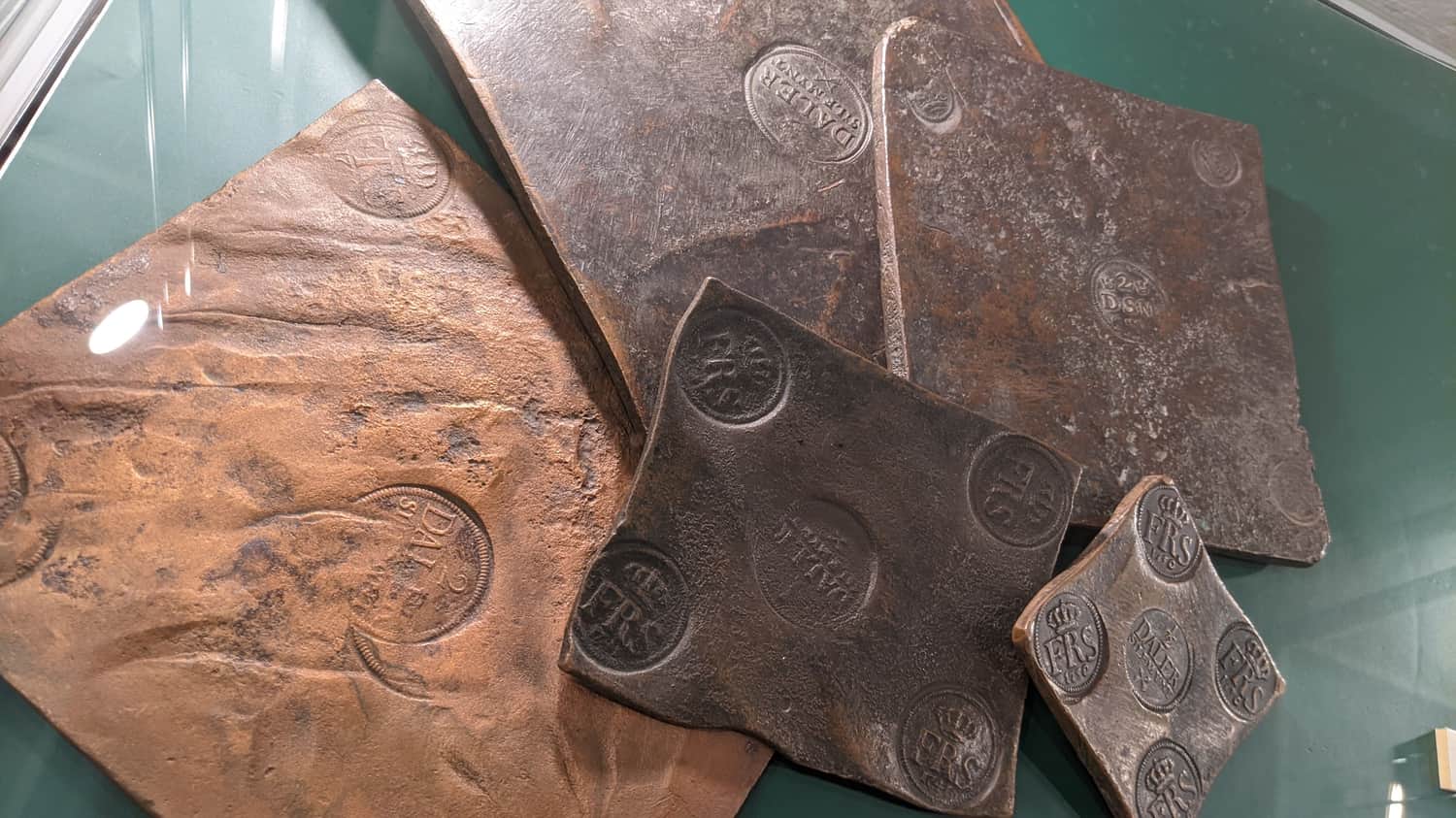
Former means of payment were means of payment used before coins began to be minted—valuable items available in a given place, such as pearls, salt and so on. At the museum, visitors can see former means of payment made of copper and bronze. Bracelets known as manillas were used to pay for a wife in southern Nigeria. Women wore them on their arms or ankles as a sign of their husband's wealth; in the event of divorce, they provided security for the woman and her children.
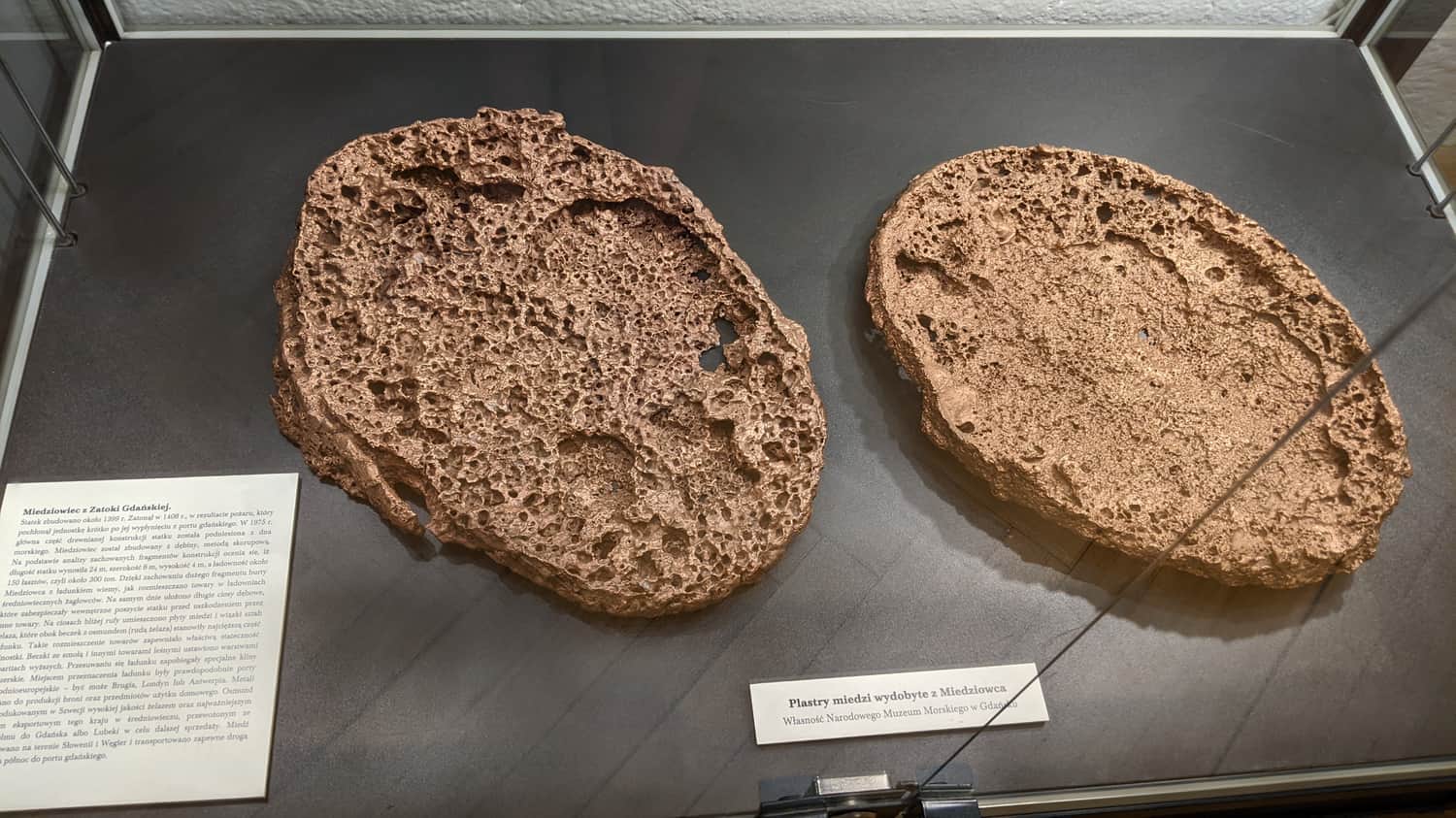
The Copper Ship from the Gulf of Gdańsk
The Copper Ship is the most famous wreck of a merchant vessel discovered in the Gulf of Gdańsk. Its exceptional nature is evidenced by the excellent preservation of its cargo, dating from the beginning of the 15th century—it survived thanks to tar, which melted during the fire and covered it. Beneath this coating, which protected the cargo from the destructive effects of salty seawater, survived copper ingots, iron in bars, flat bars and lumps transported in barrels, wooden planks, wax, as well as many small objects belonging to the equipment of the ship and its crew.
The history of Legnica and the region
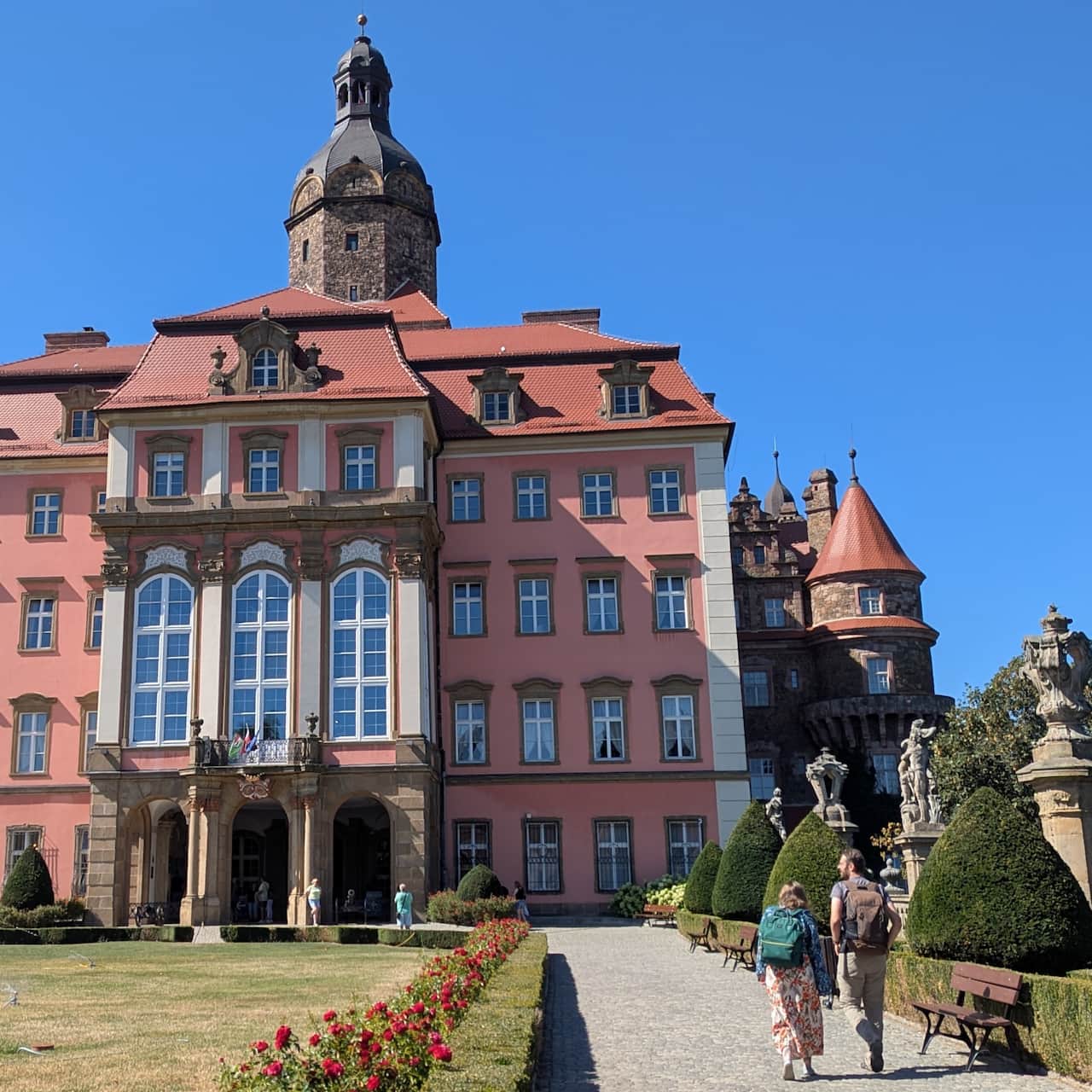
The museum's main seat is the historic Baroque building of the former curia of the abbots of Lubiąż, located in Legnica at the junction of św. Jana and Partyzantów Streets and erected in 1728—it is one of the most valuable examples of Baroque architecture in Lower Silesia. The museum also collects exhibits related to the history of the city of Legnica and the region, and organises temporary exhibitions, outdoor exhibitions and cultural events.
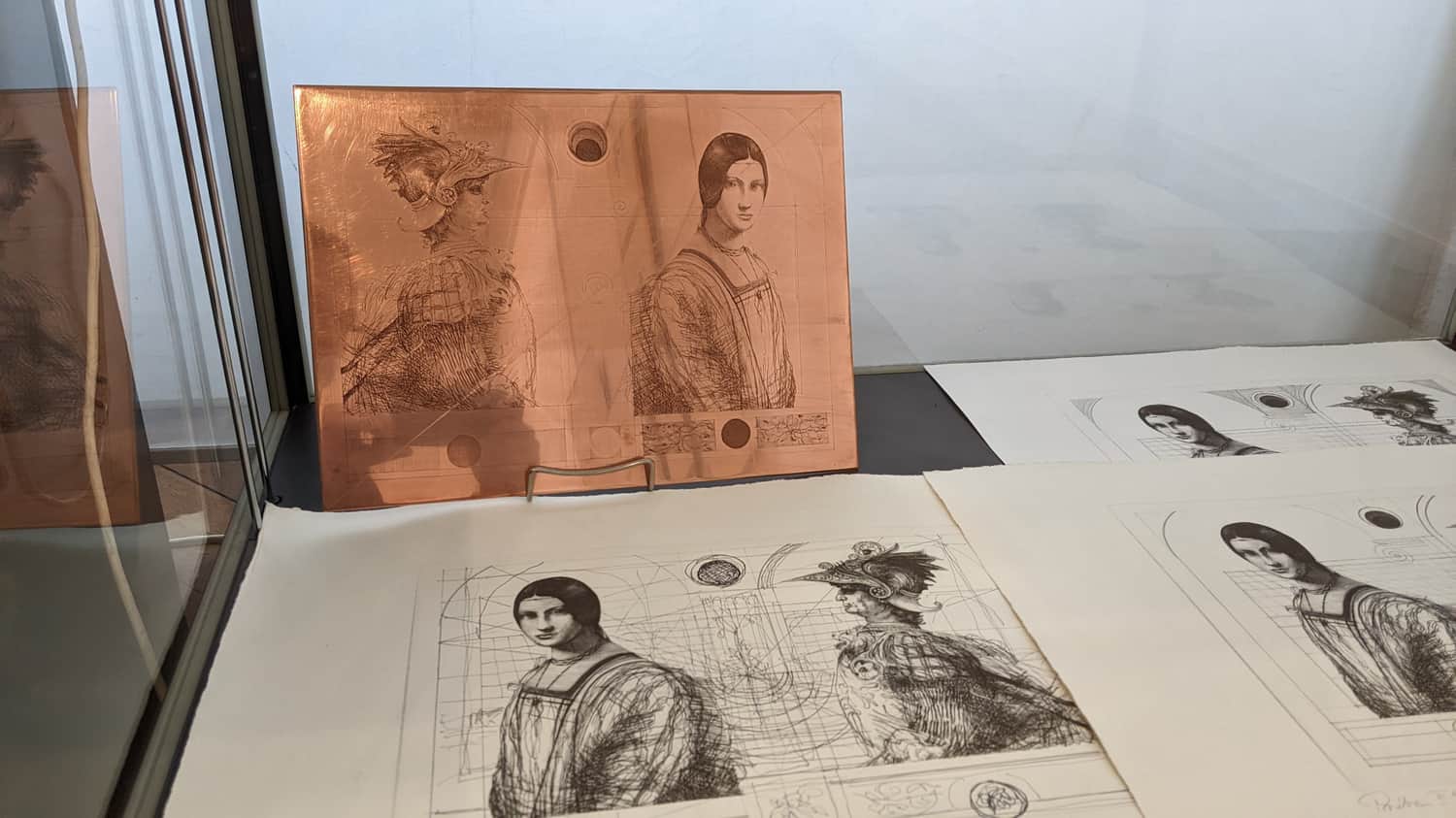
Copper engravings
Copper engraving is the oldest graphic technique on metal, used as early as the first half of the 15th century. A design is made on a polished copper plate using special burins. The plate is then polished, heated and ink is rubbed into the engraved lines. The excess is then simply removed and the design is printed onto damp paper using a press. The engraver has only a thin, sharply pointed line at their disposal, so it is worth taking a close look at how the shading of the image is created: it consists of a dense network of intersecting lines. At the museum, visitors can see a rich collection of copper engravings on a variety of subjects.

Publish Date:
More in the Region Dolnośląskie (Lower Silesian Voivodeship)