Discalced Carmelite Monastery in Czerna and the Carmelite Museum
Czerna 7932-065 Krzeszowice
check_circle In a room
check_circle Outdoors
check_circle Access by bus
check_circle Parking
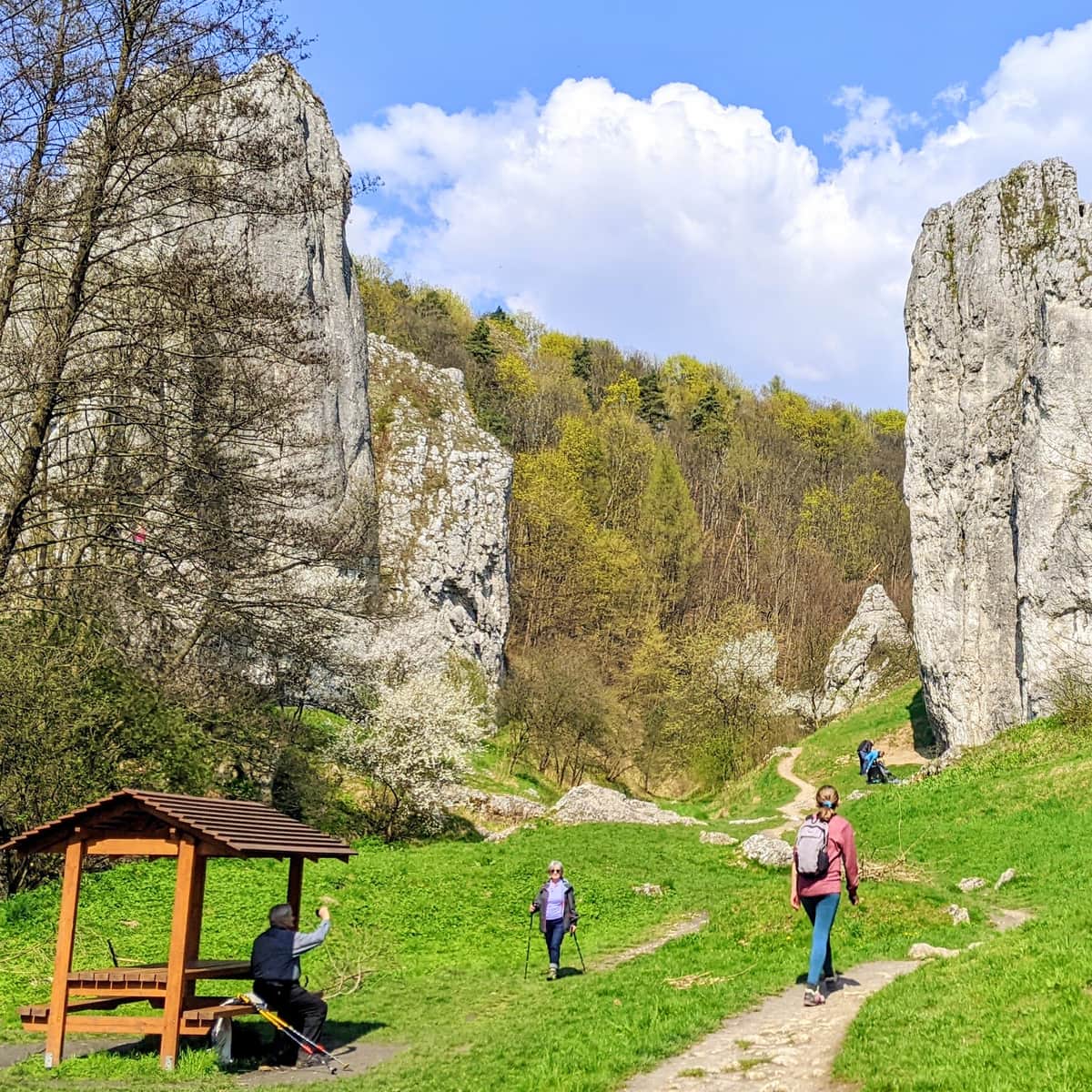
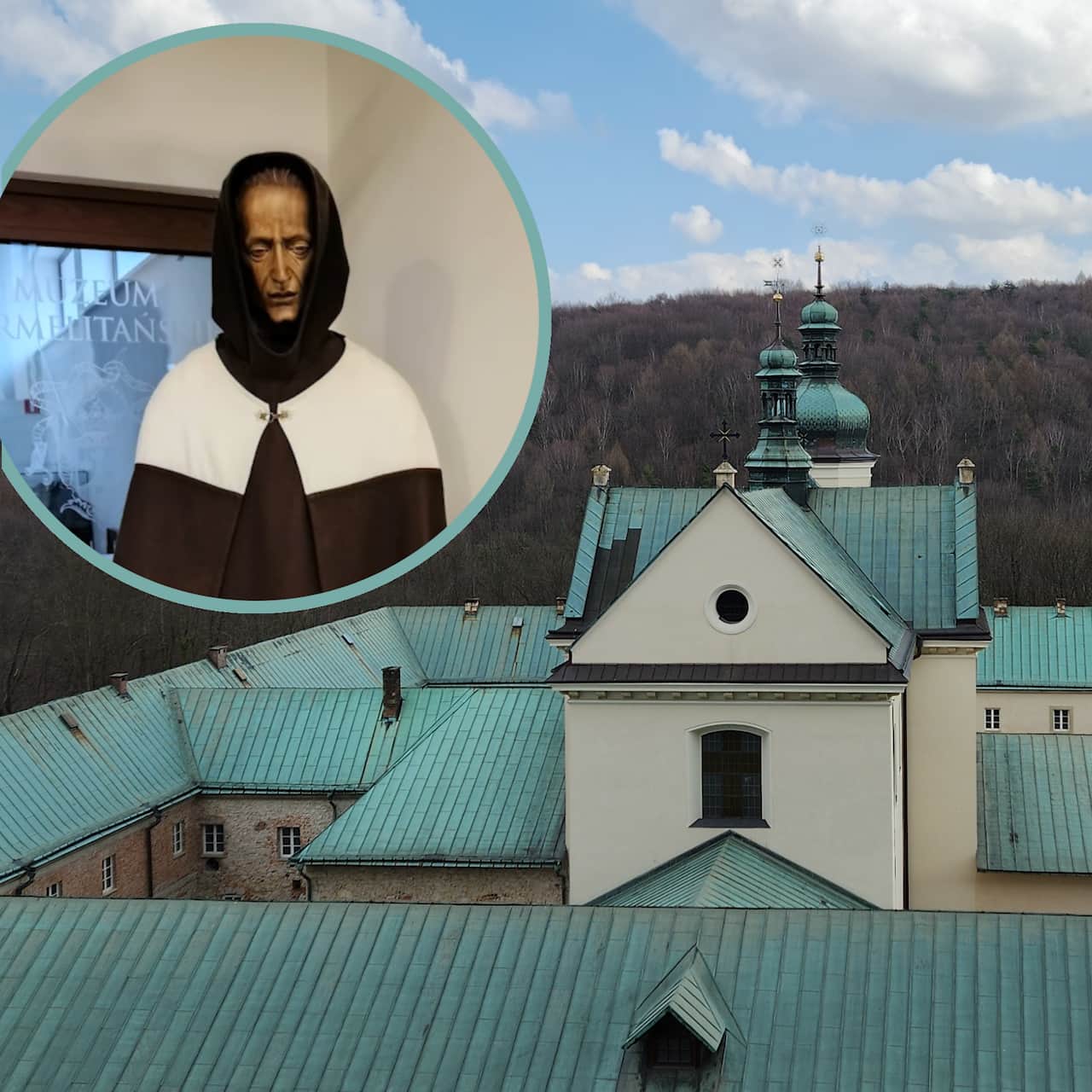
The monastery in Czerna, near Krakow in southern Poland, was founded in the 17th century by the Discalced Carmelites. It was known for strict rules and a hermit way of life. The monks kept silence, prayed, and focused on spiritual work. For centuries the place was closed to visitors. The surrounding forest and the limestone rocks of the Krakow–Czestochowa Upland (called the Jura) create a special microclimate, perfect for quiet walks and a short break from the city.
- By car from Krakow: about 40 minutes; parking is available below the monastery.
- From Krzeszowice: public transport by bus A10 (operated by Koleje Małopolskie); check current timetables.
- While visiting the monastery, it is worth seeing the Carmelite Museum.
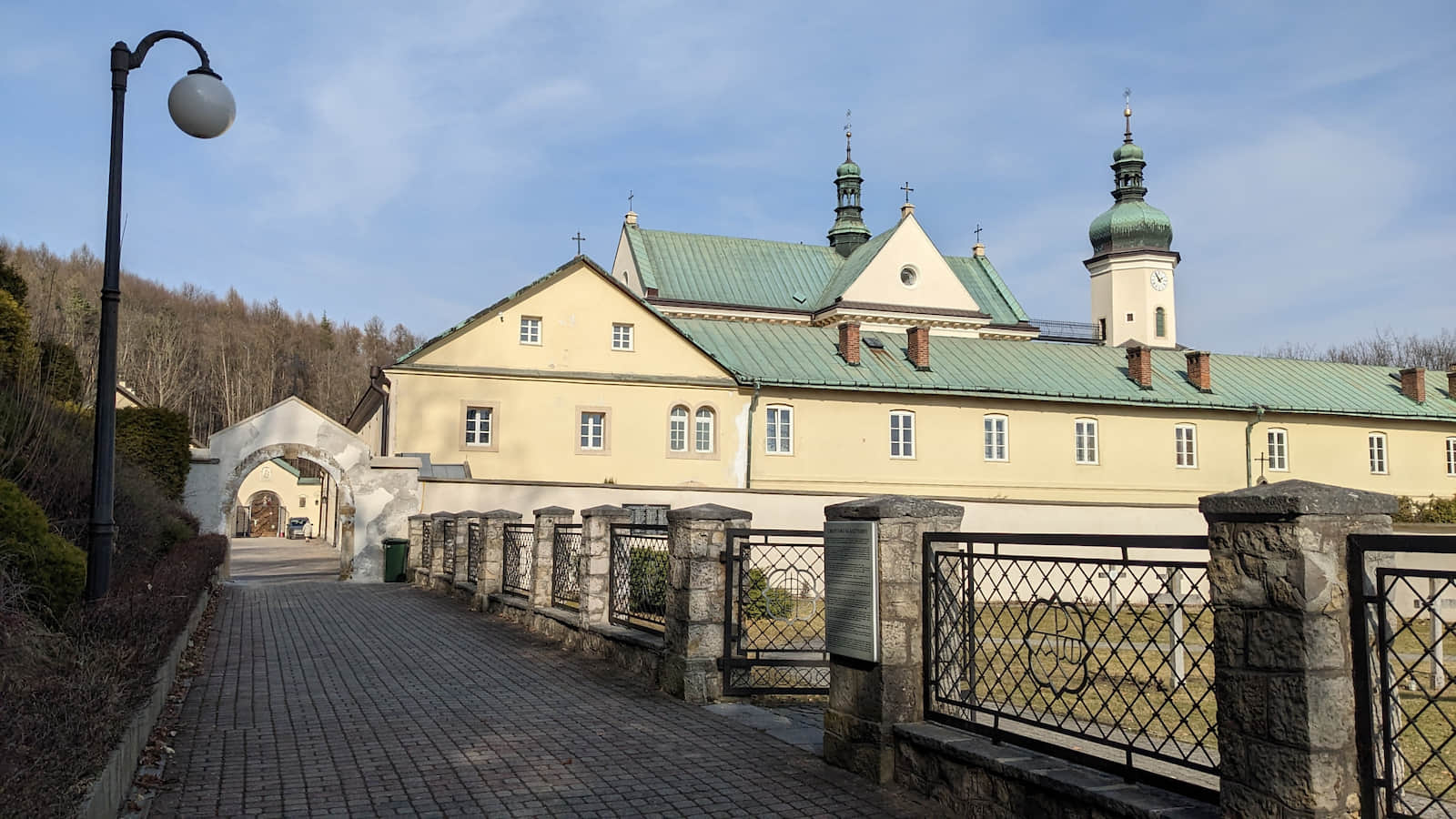
The monastery in Czerna is not only a historic site but a living place — the home of monks who still lead a contemplative life. Their days are filled with prayer, work, and silence. Although some areas are not open to visitors, you can feel the rhythm of this life, especially during church services.
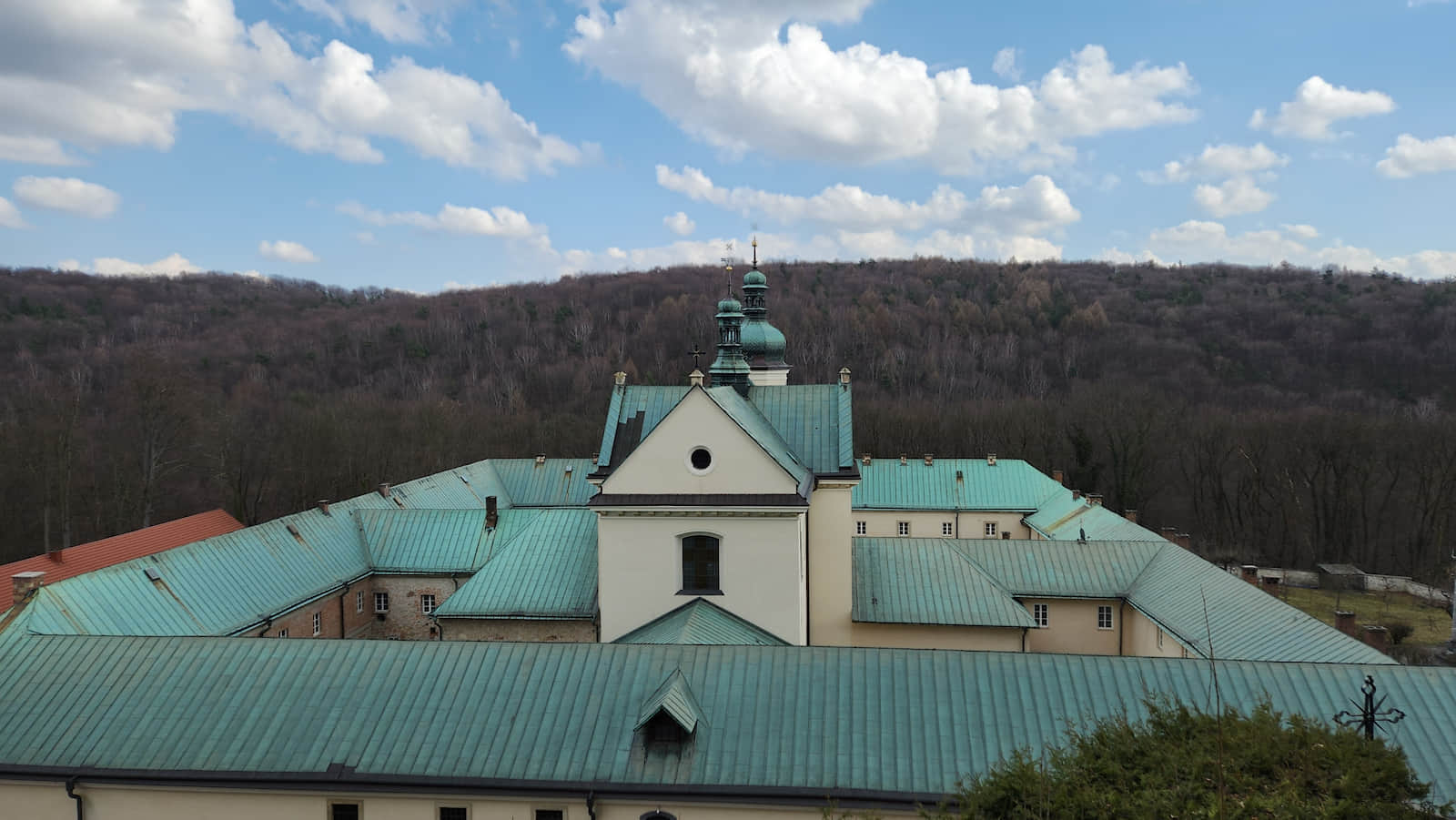
Entrance to the Courtyard
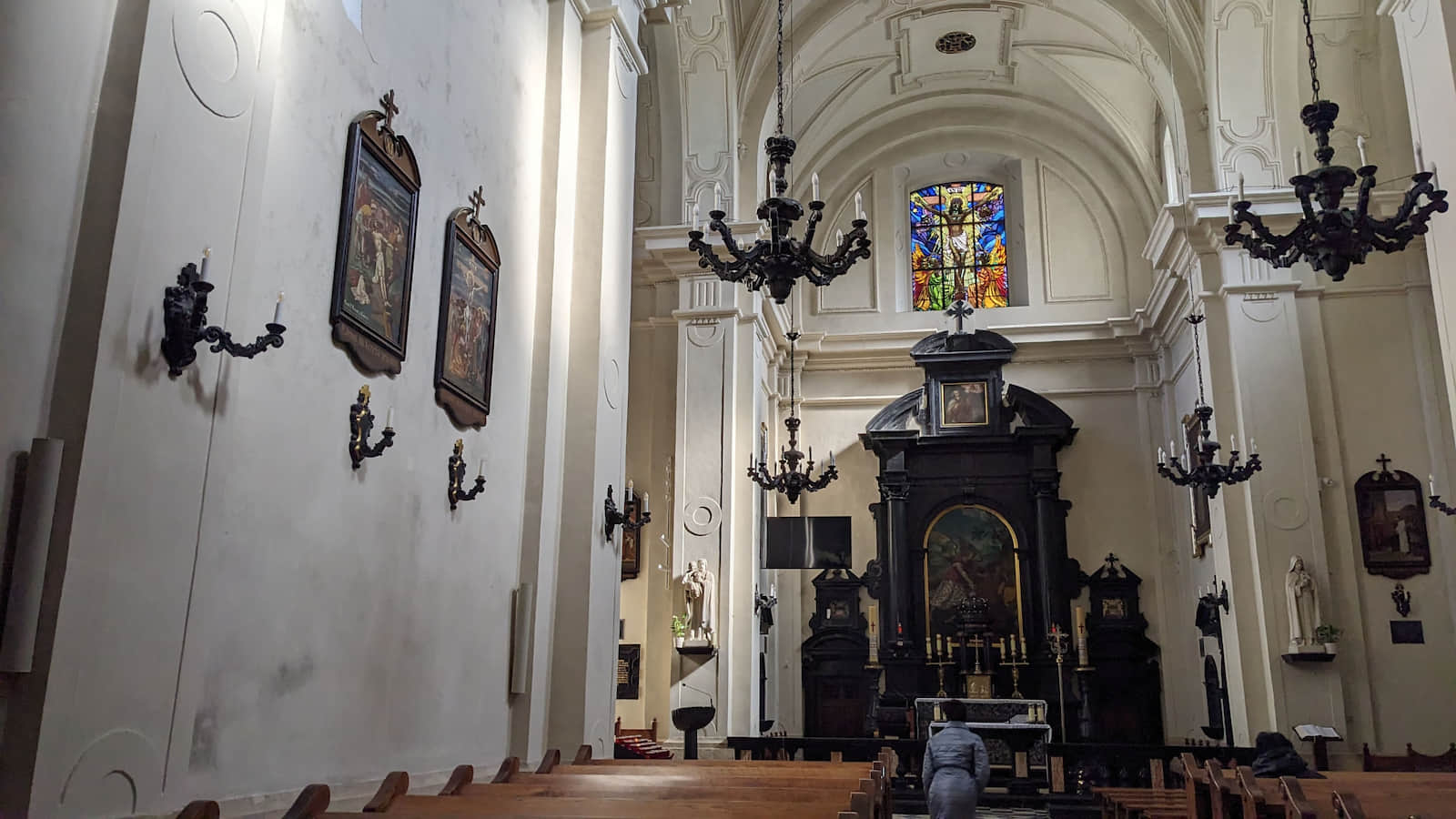
The founder of the monastery was Agnieszka Firlej (from the Tęczyński family), who wanted to create a place for prayer and reflection. Over the centuries the monastery survived many hard times, including partitions and wars, and remained an important spiritual center in the region. A revered image of Our Lady of the Scapular kept here attracts pilgrims from all over Poland.
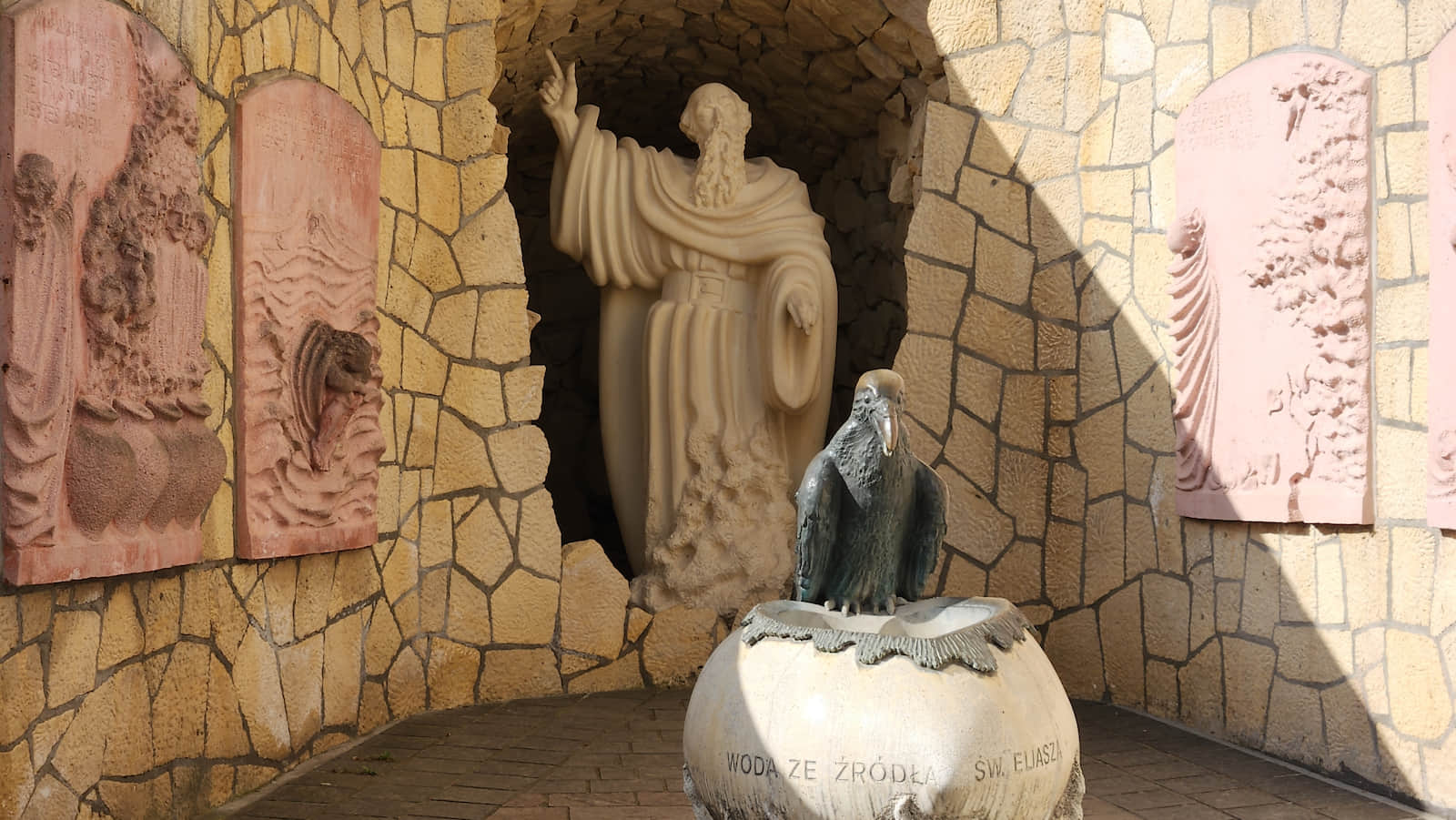
Prophet Elijah’s Grotto
In the monastery courtyard you can see Prophet Elijah’s grotto with a symbolic sculpture of a raven bringing bread. For the Carmelites, Elijah is considered the spiritual father of the first communities on Mount Carmel in the Holy Land. According to the Bible, the prophet lived in a cave, drank from a spring, and was fed by ravens.
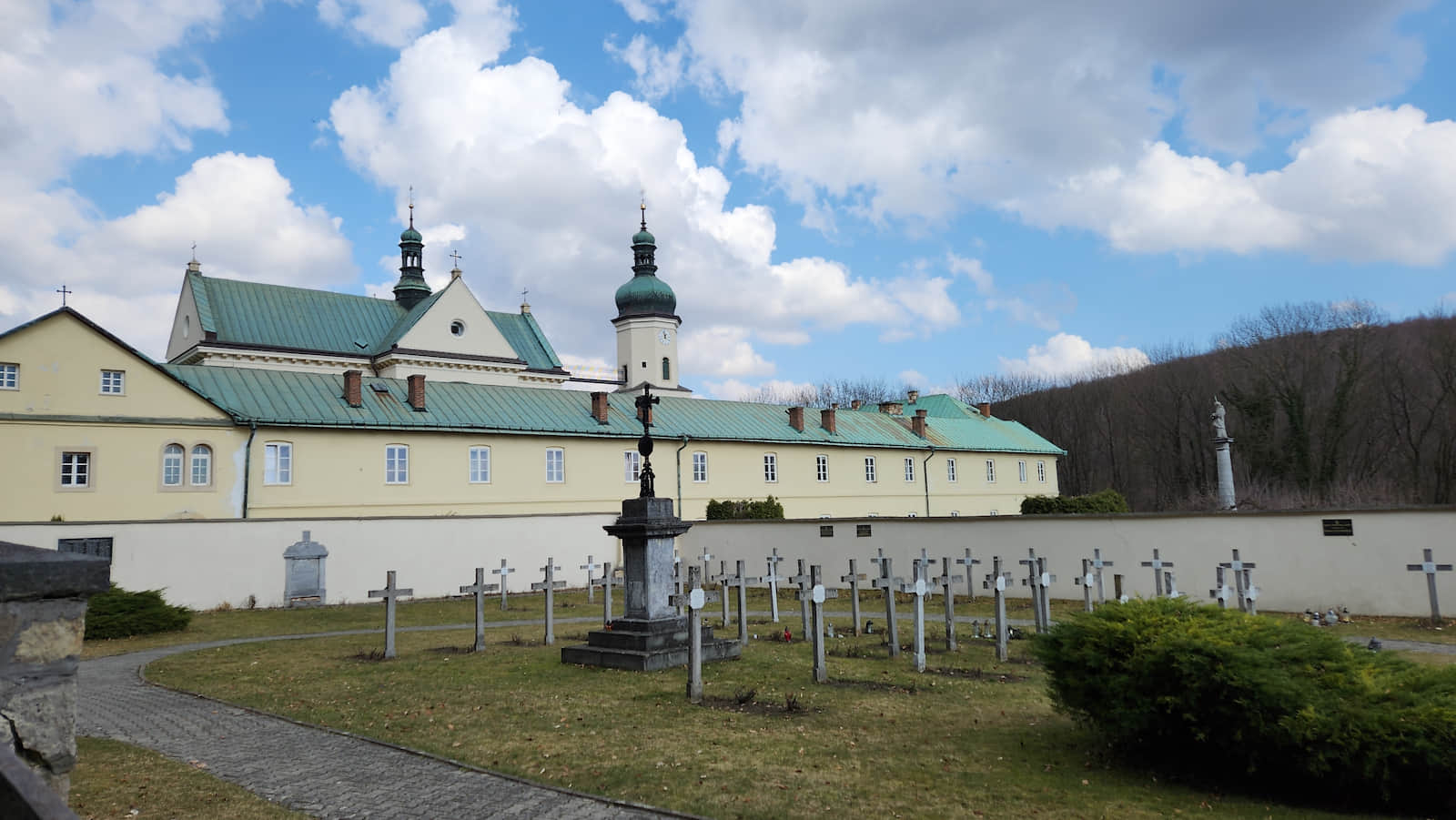
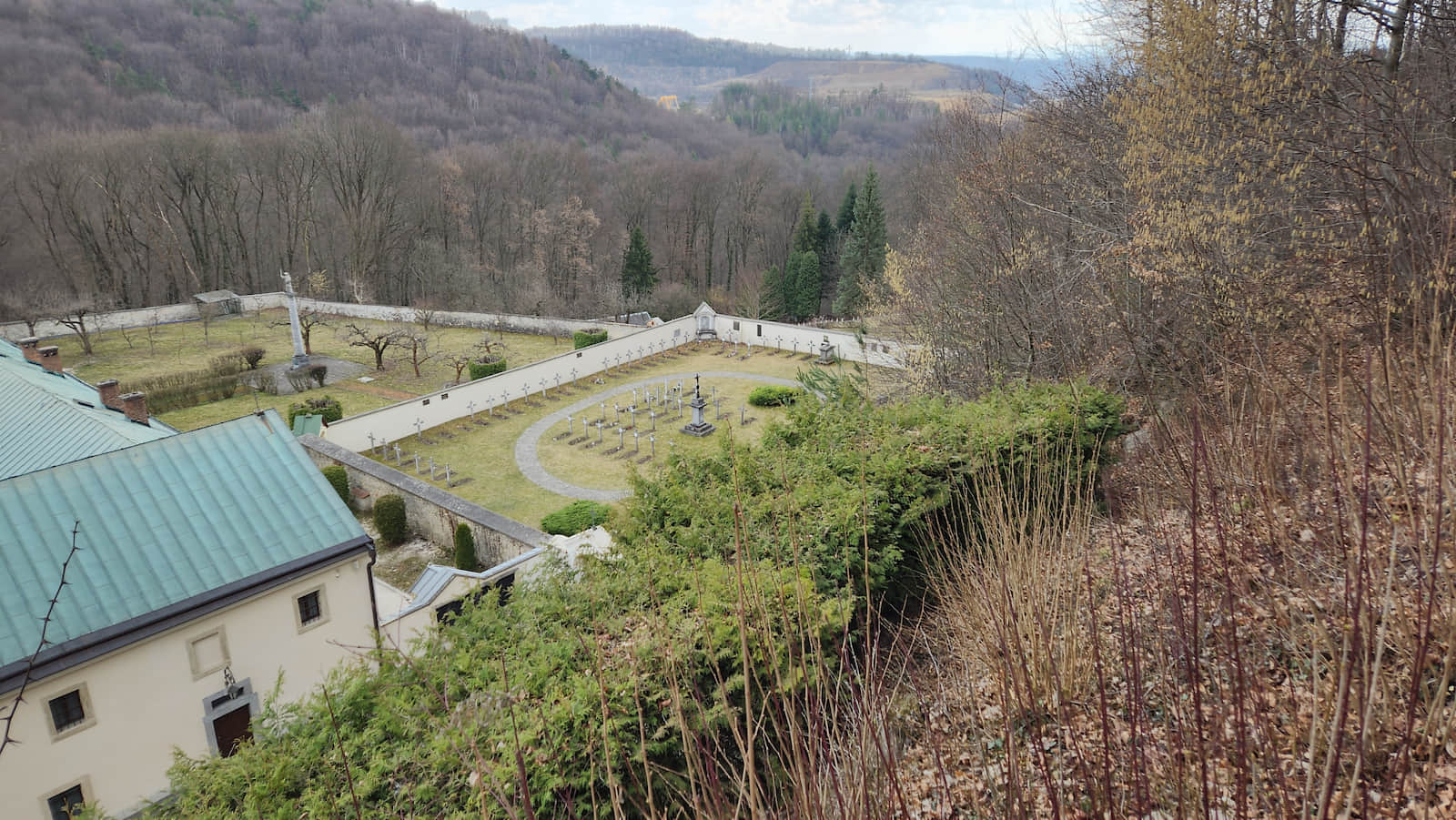
Monastery Cemetery
Right next to the courtyard is a cemetery where the monks are buried — and also one woman, who once hid her gender to serve in the monastery. After she was discovered, she was moved away, but after her death she was buried by the monastery — in the place she had longed to be during her life.
Carmelite Museum
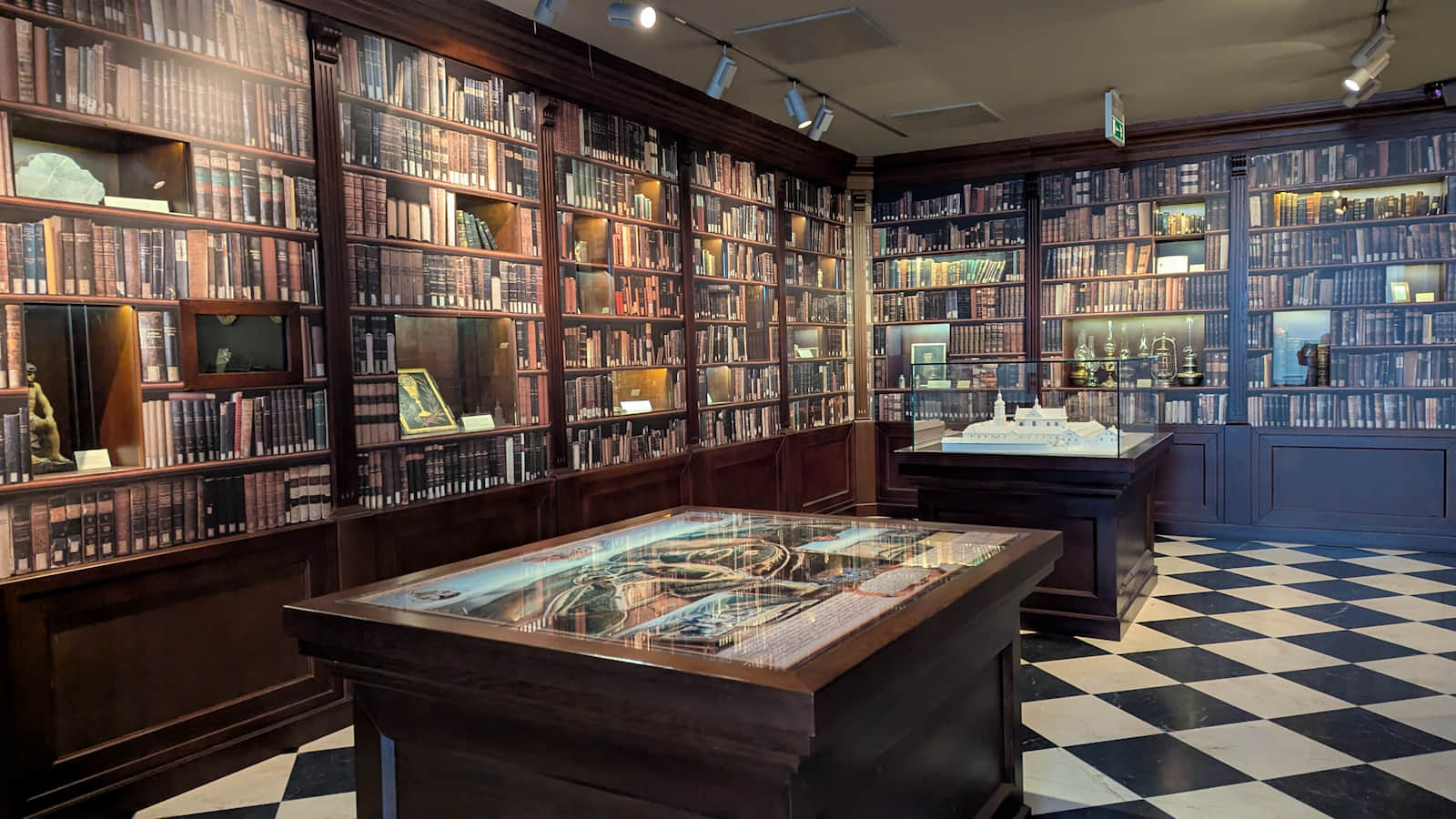
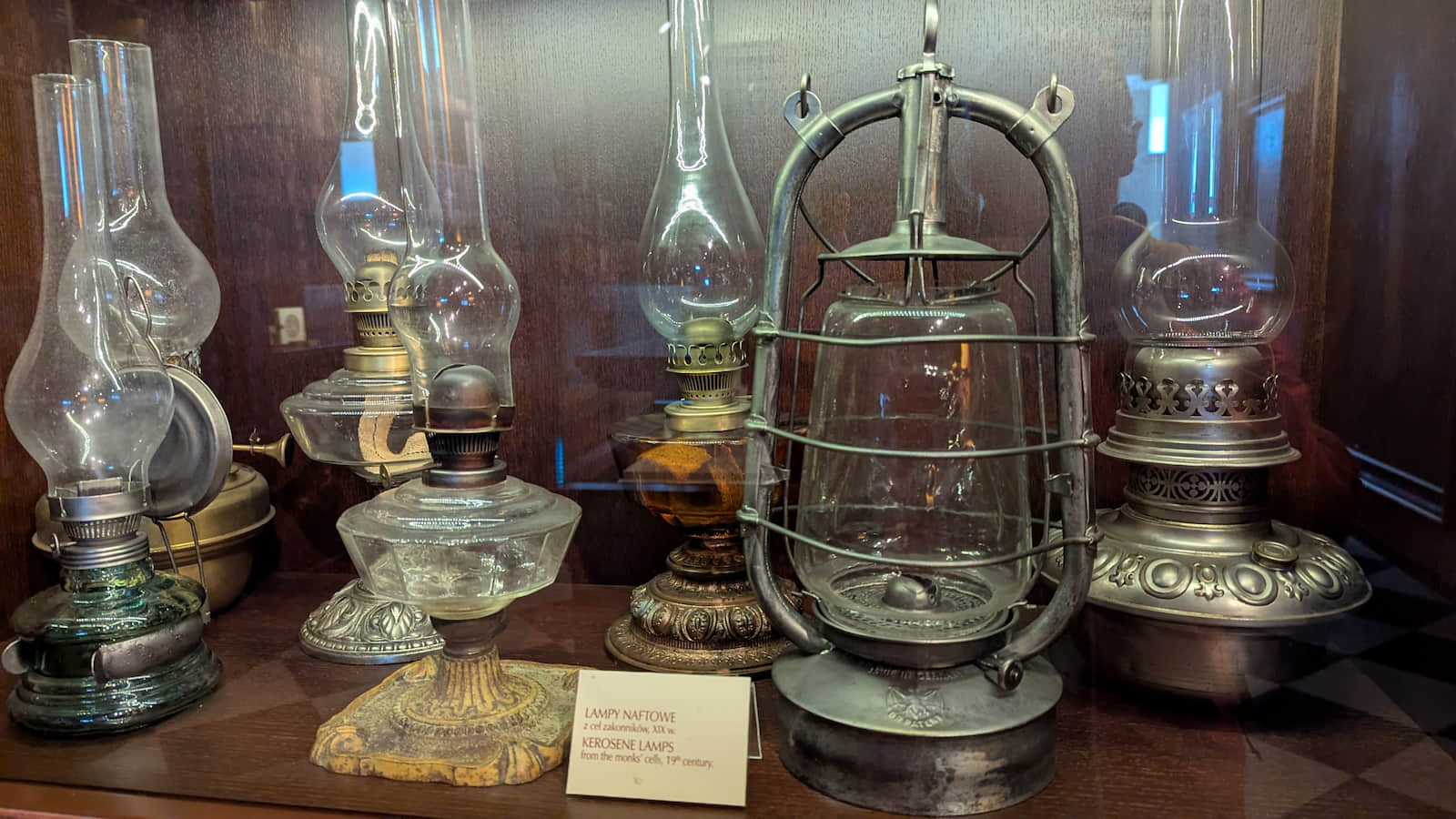
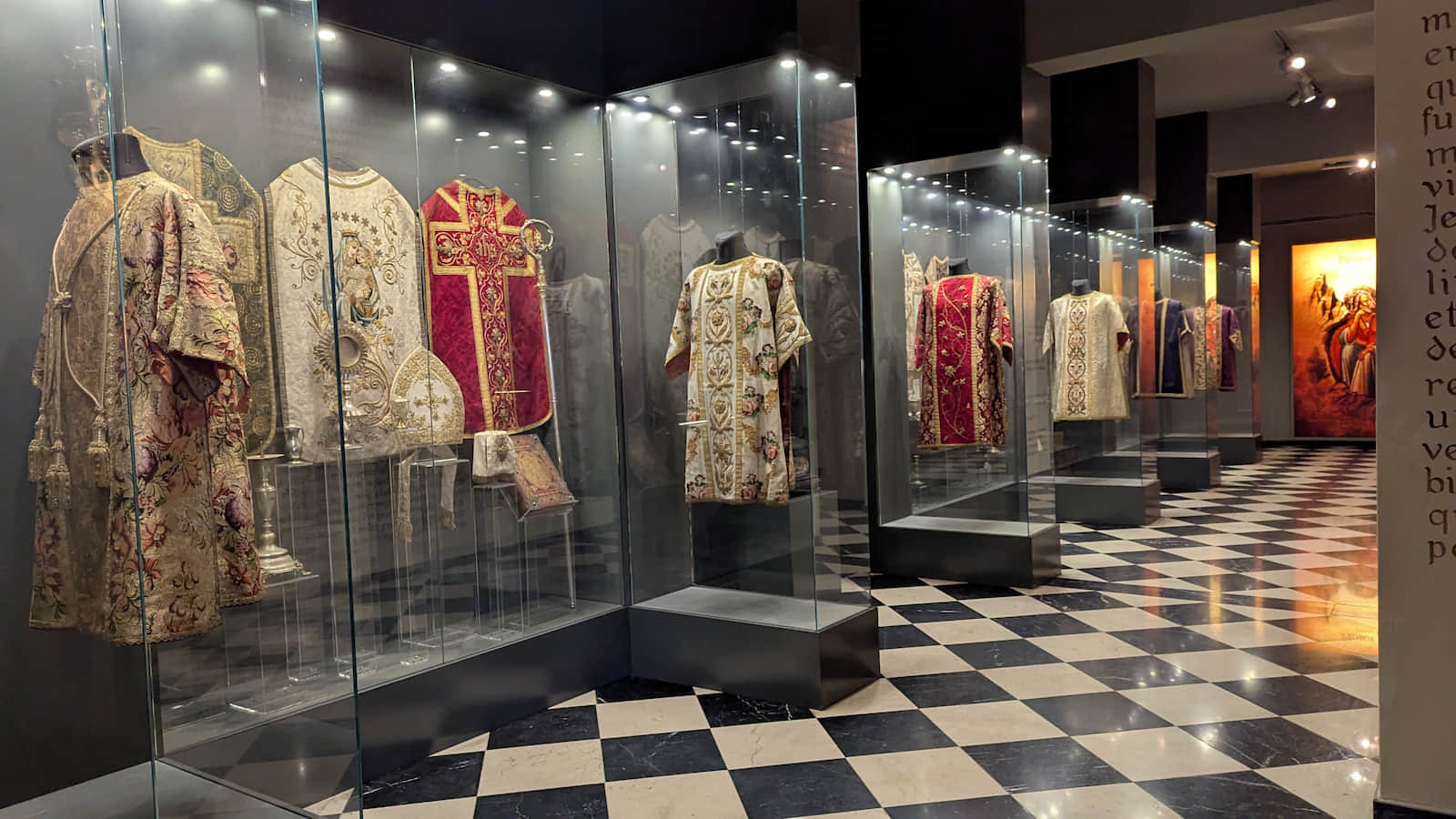
If you have time, visit the Carmelite Museum on the monastery grounds. It explains the history of the order and the daily life of the Discalced monks. Among the exhibits are items linked to the hermit way of life. The museum helps visitors understand the spirituality of the order and is a good starting point for discovering local history and legends connected with the Eliaszówka Valley, over which the monastery stands.
Walk in the Eliaszówka Valley

Publish Date:
More in the Region Jura (Jura)